AI Edge Rehabilitation Posture Analysis
Edge cameras track rehabilitation posture and detect compensation on site.
Real-time clinical biomechanics kinematics, 33-point BlazePose INT8 tracking, phase-state machine, and debounced compensation detection on reCamera edge devices with zero video leakage.
Reusable Site Templates
Indoor fixed views, patients facing the camera, needing guided movements and instant correction.
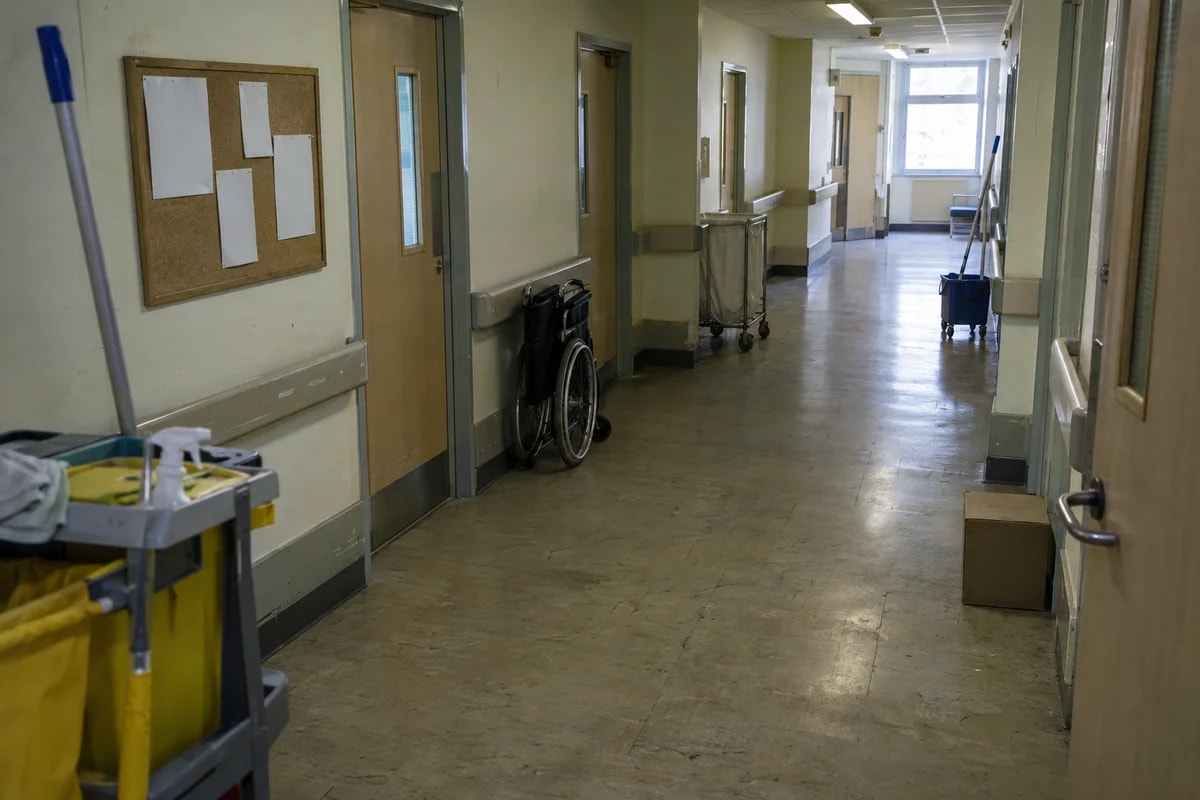
Physical therapy and rehab clinics
Outpatient rehab rooms and kinesiology gyms, assisting therapists monitoring multiple patients.
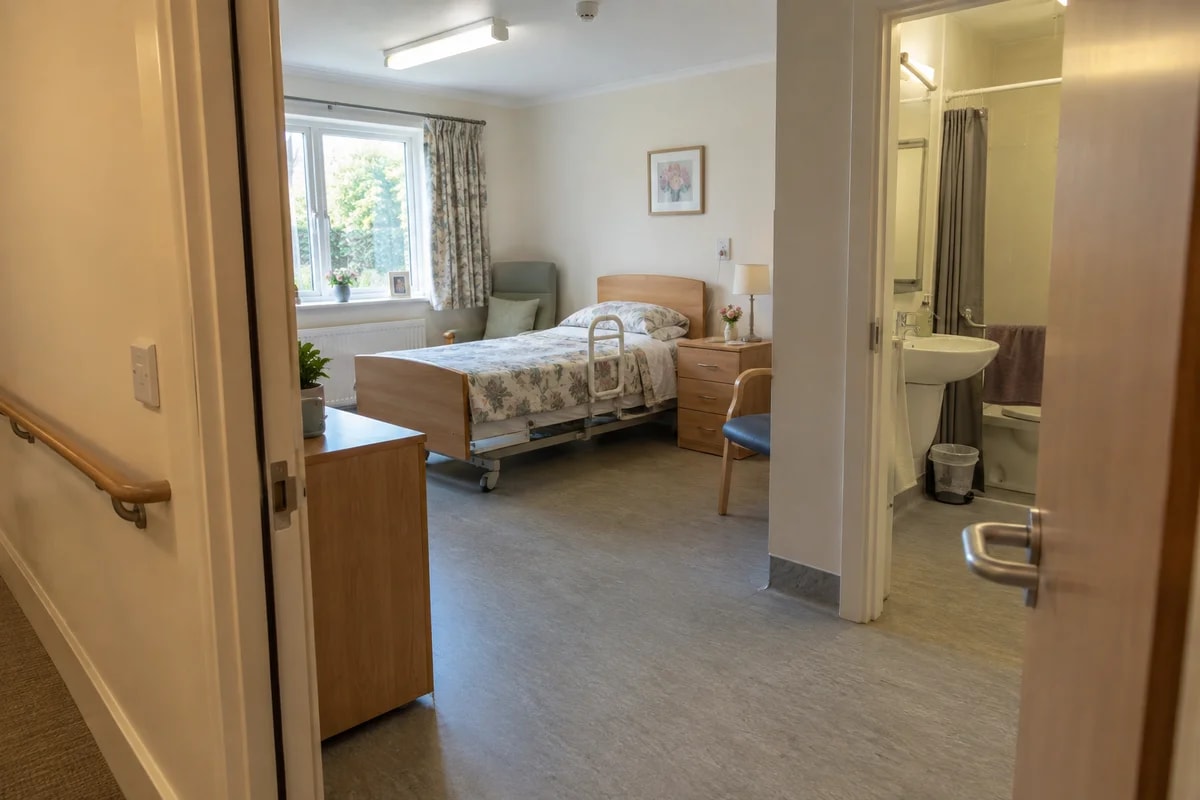
Senior living and daycare centres
Senior activity halls and sit-to-stand training corners with high-contrast HUD cards.
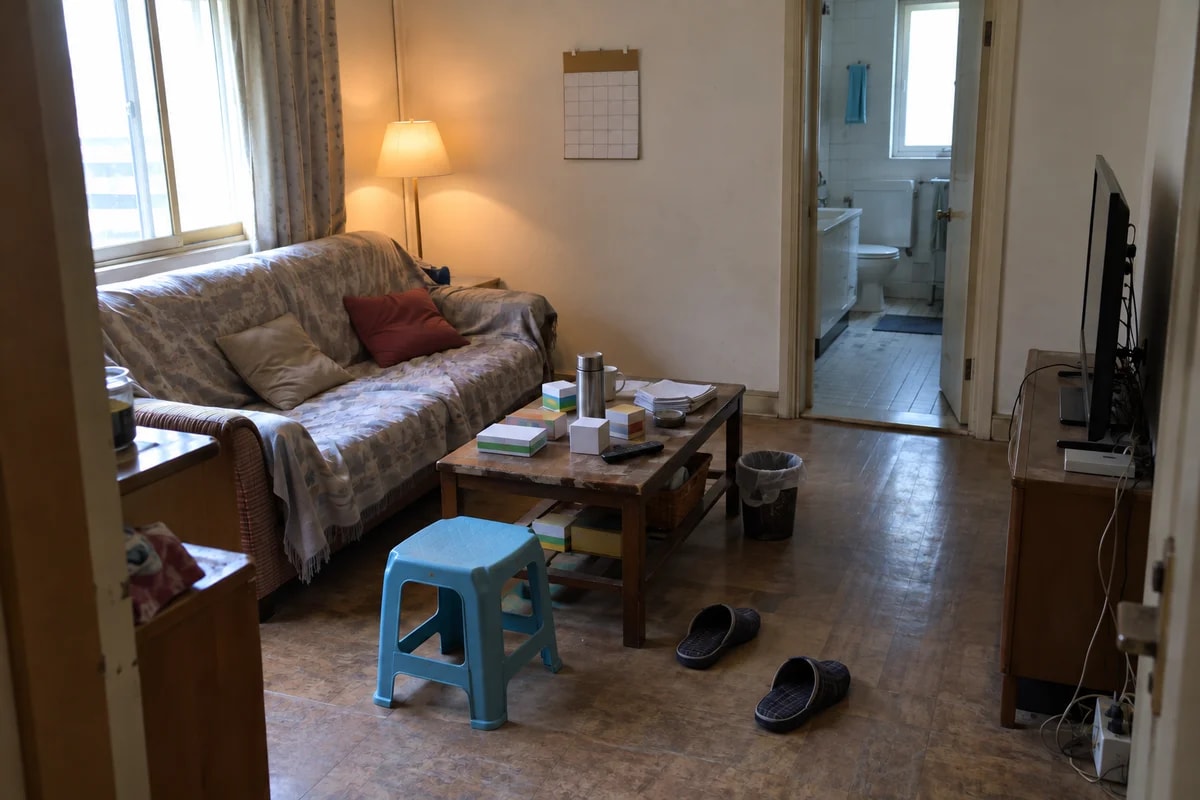
Home rehabilitation
Living rooms and home training areas. Power up the all-in-one camera with complete patient privacy.
Not a fit: steep overhead views, distance beyond 4 m, heavy occlusion.
How it works
The all-in-one smart camera runs pose estimation and kinematics on its built-in NPU/TPU, emitting vector primitives over WebSocket and RTSP while video stays on device.
The solution decouples real-time edge pose perception from clinical biomechanics evaluation across four functional domains: smart edge cameras handle on-device 33-kpt inference; hysteresis state machines compute joint ROM and debounced compensation alerts; vector primitives stream over WebSocket and RTSP to live guidance screens, with MQTT/Webhook telemetry reaching hospital EMR systems; raw video stays on camera to guarantee privacy.
Cameras & Perception
reCamera Pro and reCamera 2002 carry the image sensor, lens, and edge accelerator in one single unit.
- Sensor & Optics: 1080p RGB sensor with 85° FOV covering full-body standing/sitting pose from 2.0 to 3.5 meters.
- Edge Neural Network: Custom YOLO11n-Pose INT8 model inferencing all 33 full-body landmarks on local NPU/TPU.
- Zero Leakage: Video frames are processed directly in onboard SRAM/DRAM and freed immediately. No video stream crosses the network interface.
Kinematics & Biomechanics
Clinical kinematics state machine tracks Range of Motion (ROM) and pathological compensations:
- ROM Angles: Continuous Euclidean 3D joint angle tracking (knee flexion 0°–180°, shoulder abduction 0°–180°, elbow flexion).
- Phase Transitions: Hysteresis state machine (
READY→ASCENT→INFLECTION→DESCENT→COMPLETED) eliminates partial-rep false counts. - Compensation Detection: 3-frame temporal debounce verifies knee valgus (>8°), shoulder shrug (>10°), or excessive trunk lean.
Event & Vector Output
Clean decoupling between on-camera evaluation and display hosts:
- WebSocket 8080: Emits Result Hub v2
geometry[]vector primitives and real-time HUD metrics JSON. - RTSP 8554: Optional H.264 stream with hardware OSD burned-in for standard hospital NVR archiving.
- HTTP 8080: Local Web App Center console for live parameter tuning without recompilation.
How well it works
What patients and therapists see on the local display — the live rehabilitation HUD.
Measured results
Engineering benchmark on clinical rehabilitation videos — assistive movement guide, not medical diagnosis.
| Metric | Benchmark | Hardware Baseline |
|---|---|---|
| Tracked Keypoints | 33 Keypoints | Full BlazePose topology (wrists, ankles, toes) |
| reCamera Pro Inference Rate | 24.0 FPS (41.7 ms) | RV1126B NPU, INT8 quantized |
| reCamera 2002 Inference Rate | 13.3 FPS (71.1 ms) | SG2002 TPU, hardware-fused INT8 |
| ROM Angle Measurement Error | < 2.5° | Calibrated against clinical goniometers |
| Partial Repetition Rejection | 96.8% | 3-frame debounce & hysteresis state machine |
| Video Leakage Risk | Zero | 100% on-device memory, vectors only |
What you get out of it
Once deployed, these interfaces deliver all metrics and visualization.
| Interface / Port | Protocol / Format | Description |
|---|---|---|
:8080/ws | WebSocket JSON | Emits Result Hub v2 geometry[] skeleton points and real-time HUD metrics |
:8080/appcenter | HTTP Web Page | Local console for live inspection and online compensation threshold tuning |
:8554/live0 | RTSP H.264 | Camera RTSP stream with hardware OSD burned-in |
The WebSocket JSON contains only 33 coordinate pairs and joint angles, carrying zero video bytes, using under 20 KB/s bandwidth.
Porting It to Your Own System
The reusable asset is the pipeline 33-Keypoint Pose → Joint ROM Kinematics → Hysteresis State Machine → Compensation Detector.
| Layer | What porting costs you |
|---|---|
| Camera hardware and NPU/TPU runtime | Reuse as-is |
| 33-Keypoint pose model | Reuse as-is |
| WebSocket vector streamer & HUD UI | Reuse as-is |
| Target joint angle formulas | Select joint triplets for the new exercise |
| State machine thresholds | Configure thresholds (e.g. valgus angle, shrug angle) |
How to deploy
Check the setup and its product list, then follow the deployment guide.
Hardware Sizing & Deployment Setup
Select site conditions to generate recommended bundles and guides, or let an AI assistant estimate hardware and deploy for you.
Deployment Options
reCamera Pro
Deploy on reCamera Pro with RKNN INT8 model acceleration, full 33-point skeleton overlay, and interactive HUD dashboard.
2 steps · ~5min
AI Camera
recamera_pro
Contact Us
We Are Glad to Be Your Hardware Partner !