 Scenario
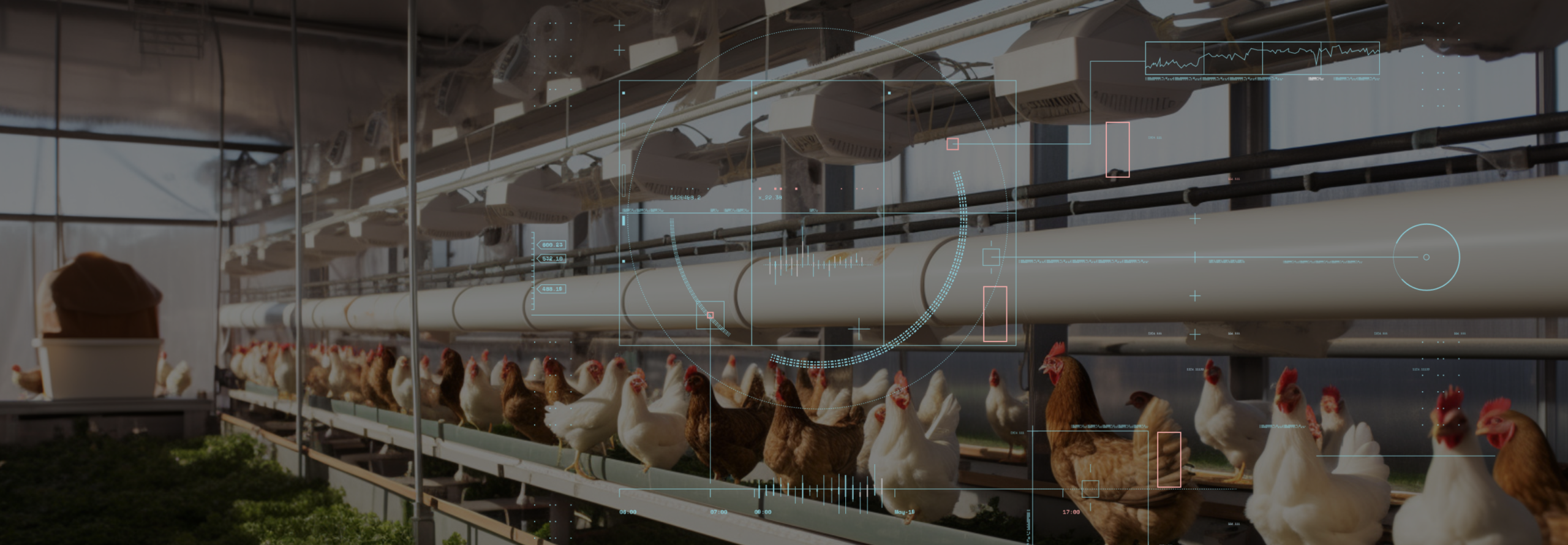
Smart Precision Farming
Track changes in livestock-house conditions, coordinate ventilation and other equipment, and use video to help staff spot anomalies and plan inspections.
 Scenario
Track changes in livestock-house conditions, coordinate ventilation and other equipment, and use video to help staff spot anomalies and plan inspections.
 Scenario
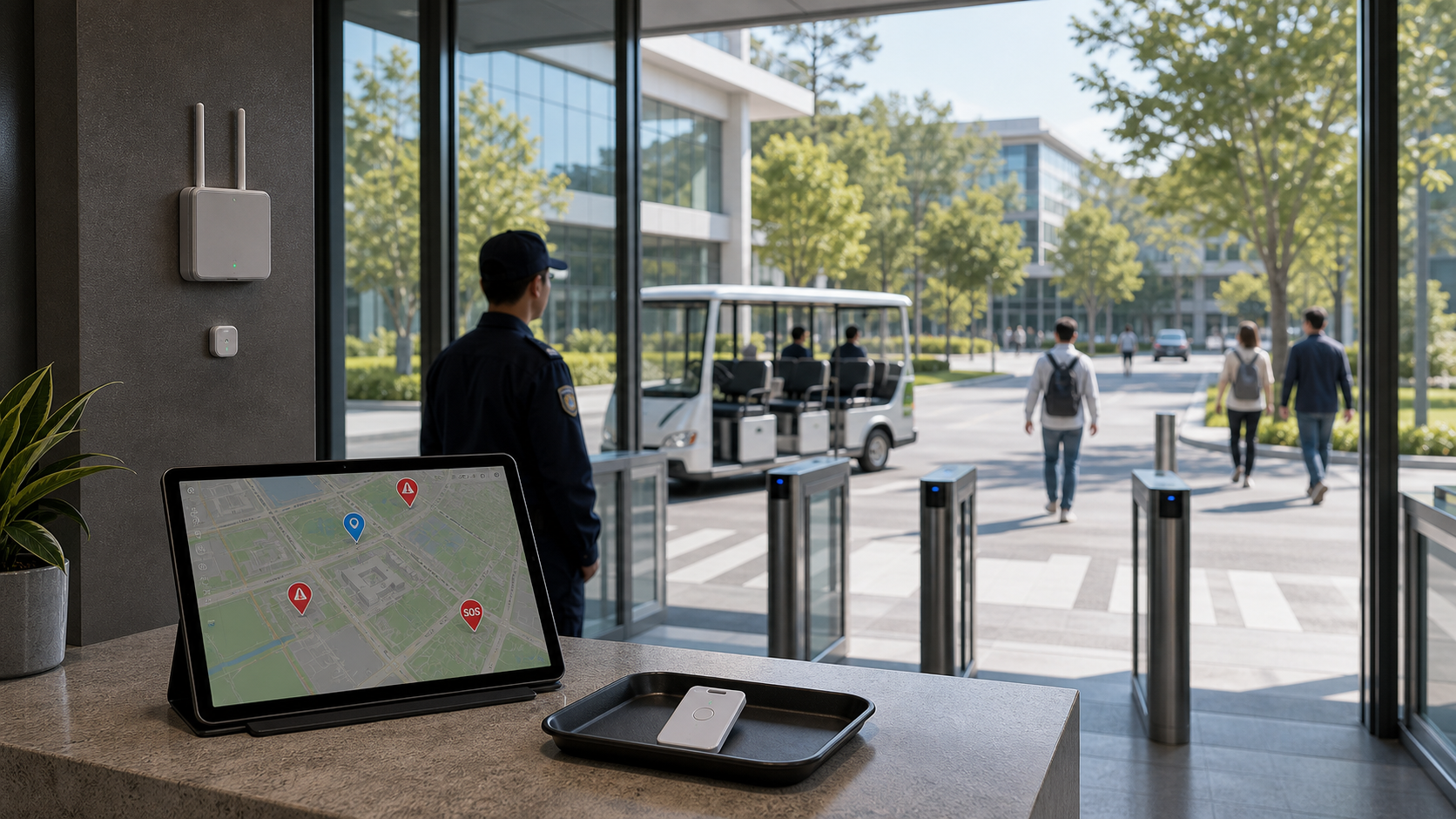
An easy-to-deploy campus safety solution: tags handle personnel location and SOS alerts, while edge AI analyzes video anomalies and connects events to existing security platforms.
 Scenario
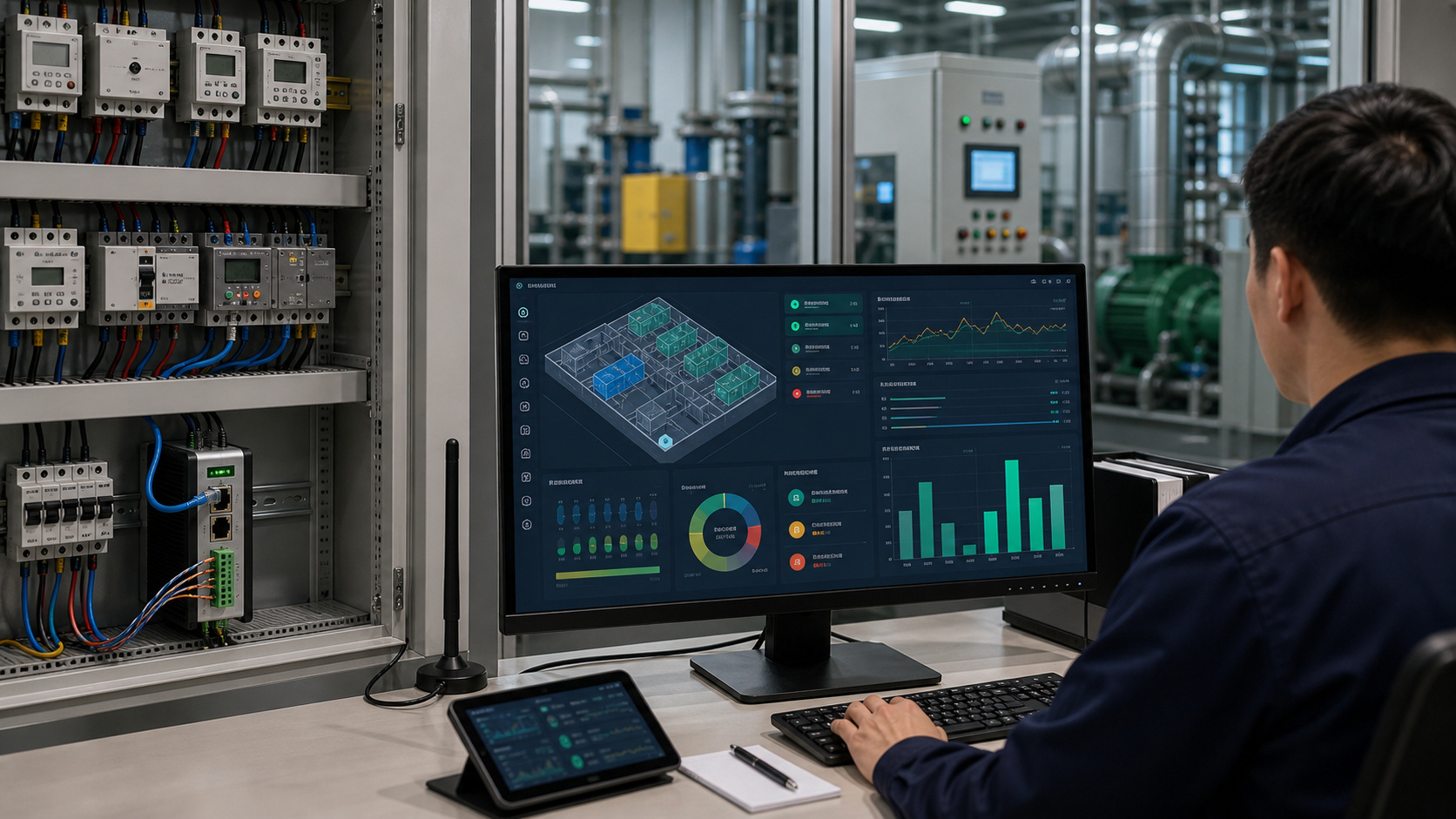
Connect existing and new devices by floor and system. Start with energy monitoring, then expand to control; view electricity, water, and HVAC data together.
 Scenario
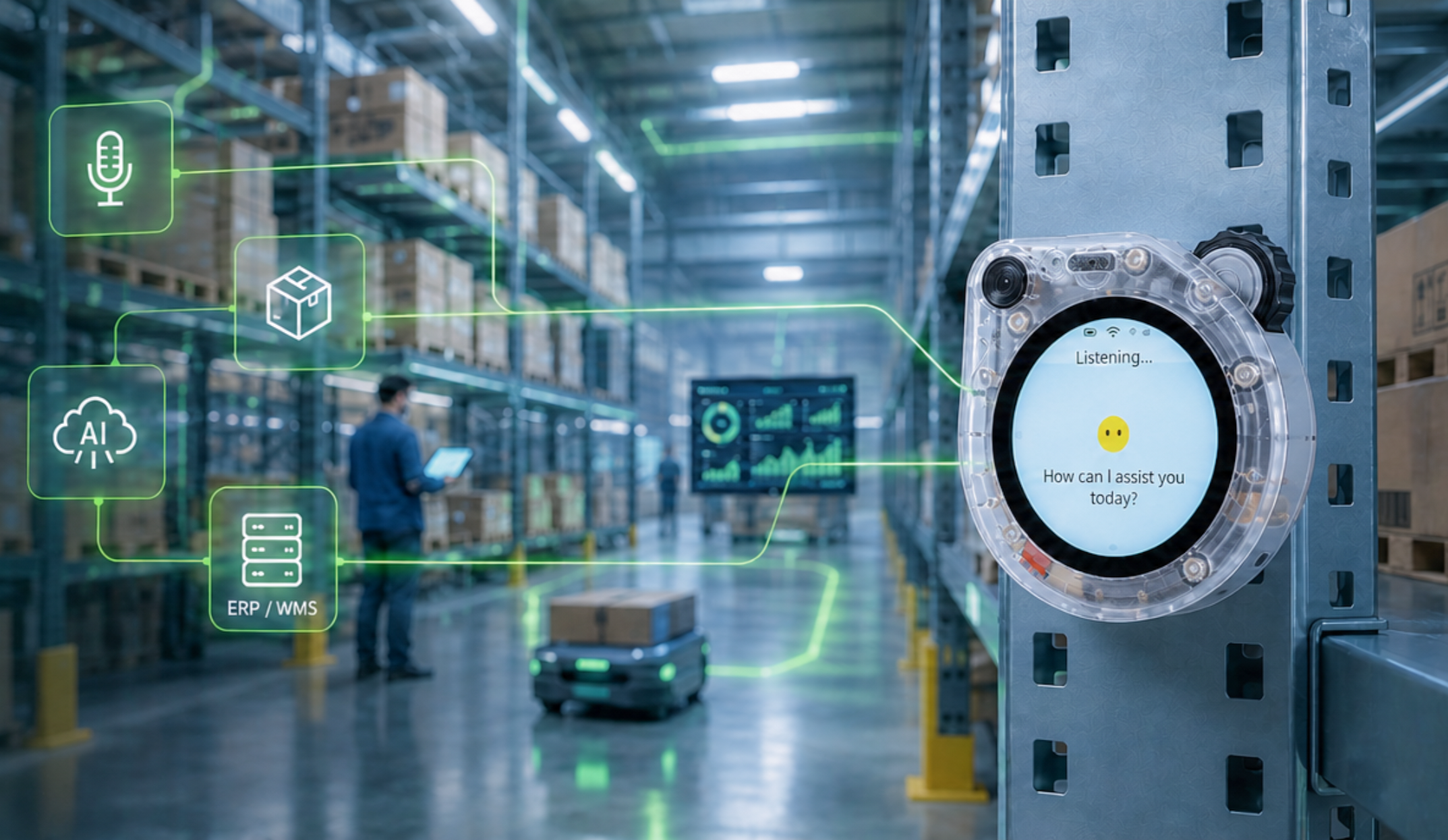
The Watcher understands spoken commands and identifies the operator, writing results to the built-in warehouse system or your existing ERP / WMS. Deploy in the cloud, on a local host or fully offline.
 Reference design
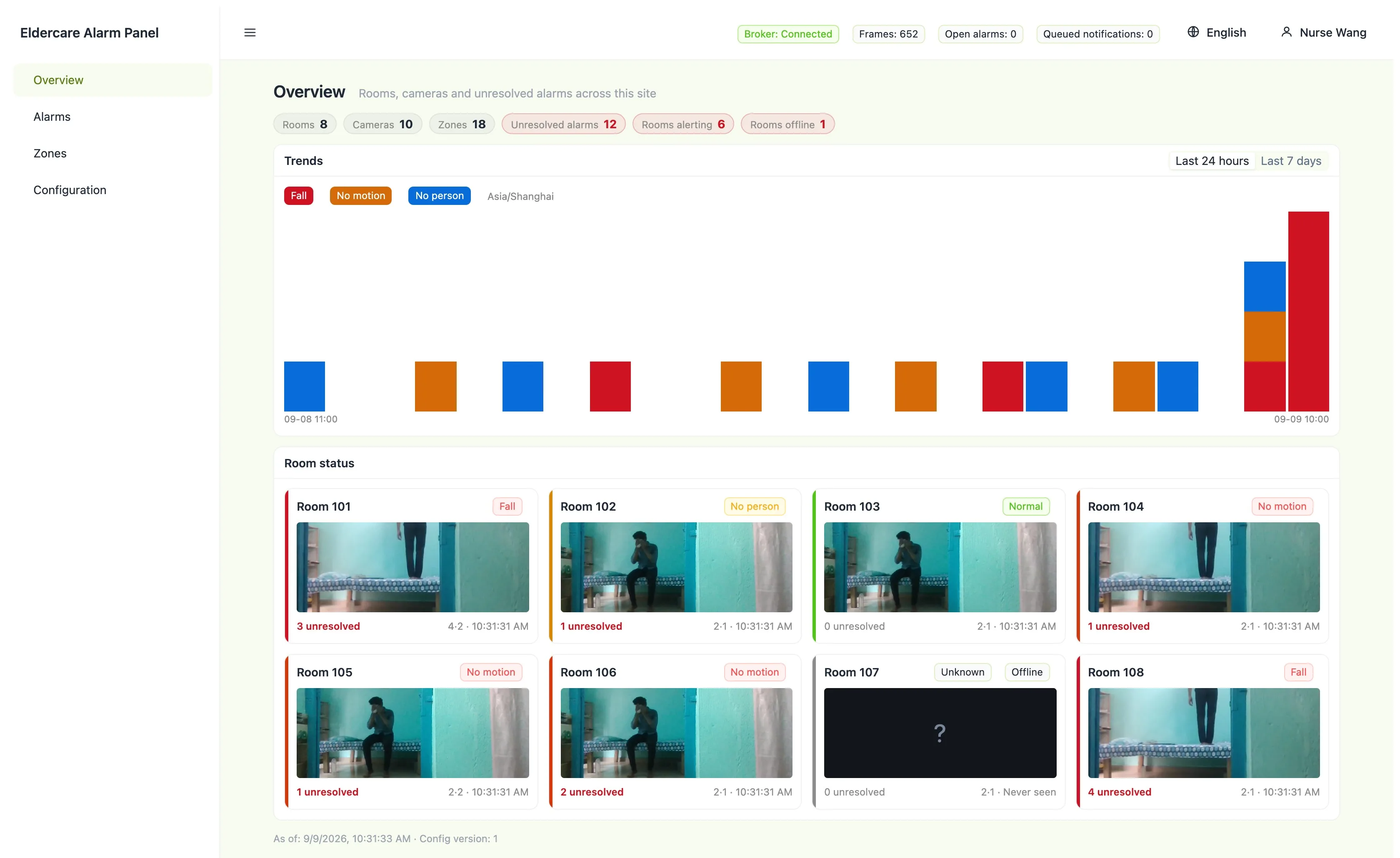
On-device fall detection — pose estimation, a per-person temporal state machine and one MQTT event, all local. All-in-one camera, or your existing RTSP cameras on a Jetson, Rockchip NPU or Hailo-8 host.
 Reference design
Real-time gun detection using Frigate NVR with AI-accelerated video analysis on edge devices
 Reference design
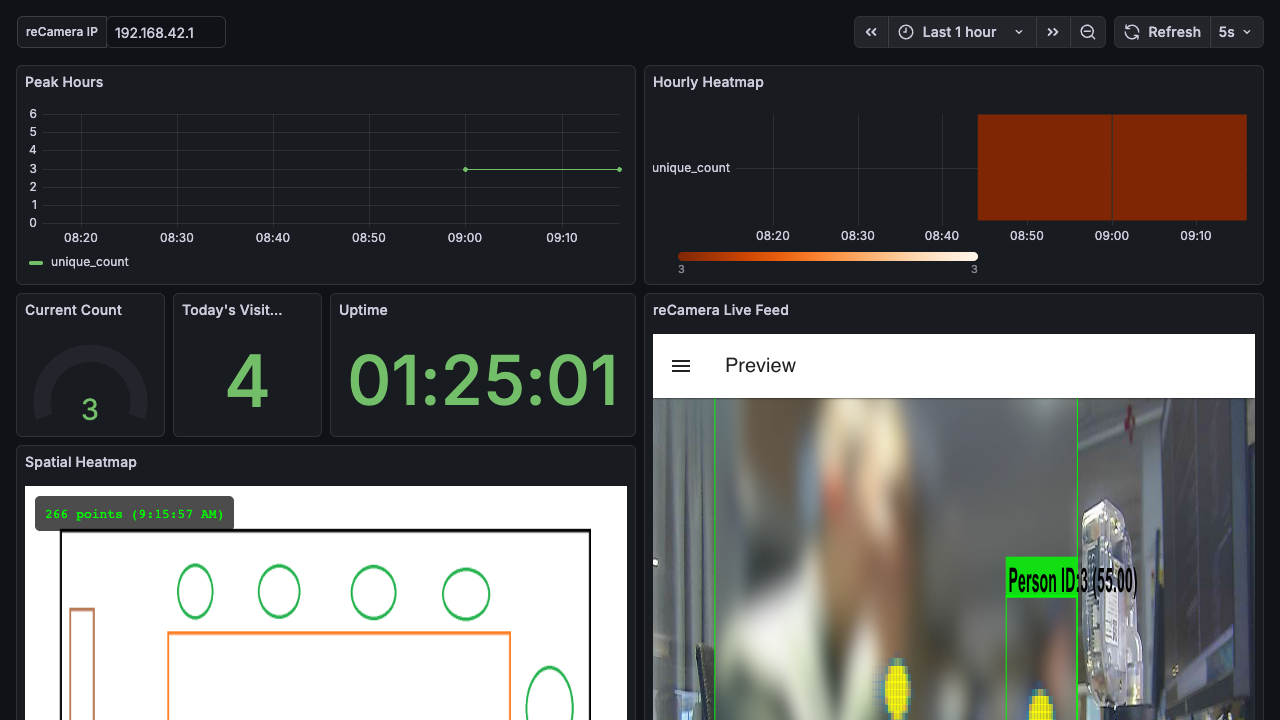
See which shelves attract customers, which aisles get ignored — works with reCamera, IP cameras + AI boxes, pick the best fit for your store
 Reference design
One AI camera, a gallery of apps — install object detection, text reading, face analysis or people counting from the camera's own console, and forward the results to Home Assistant
 Reference design
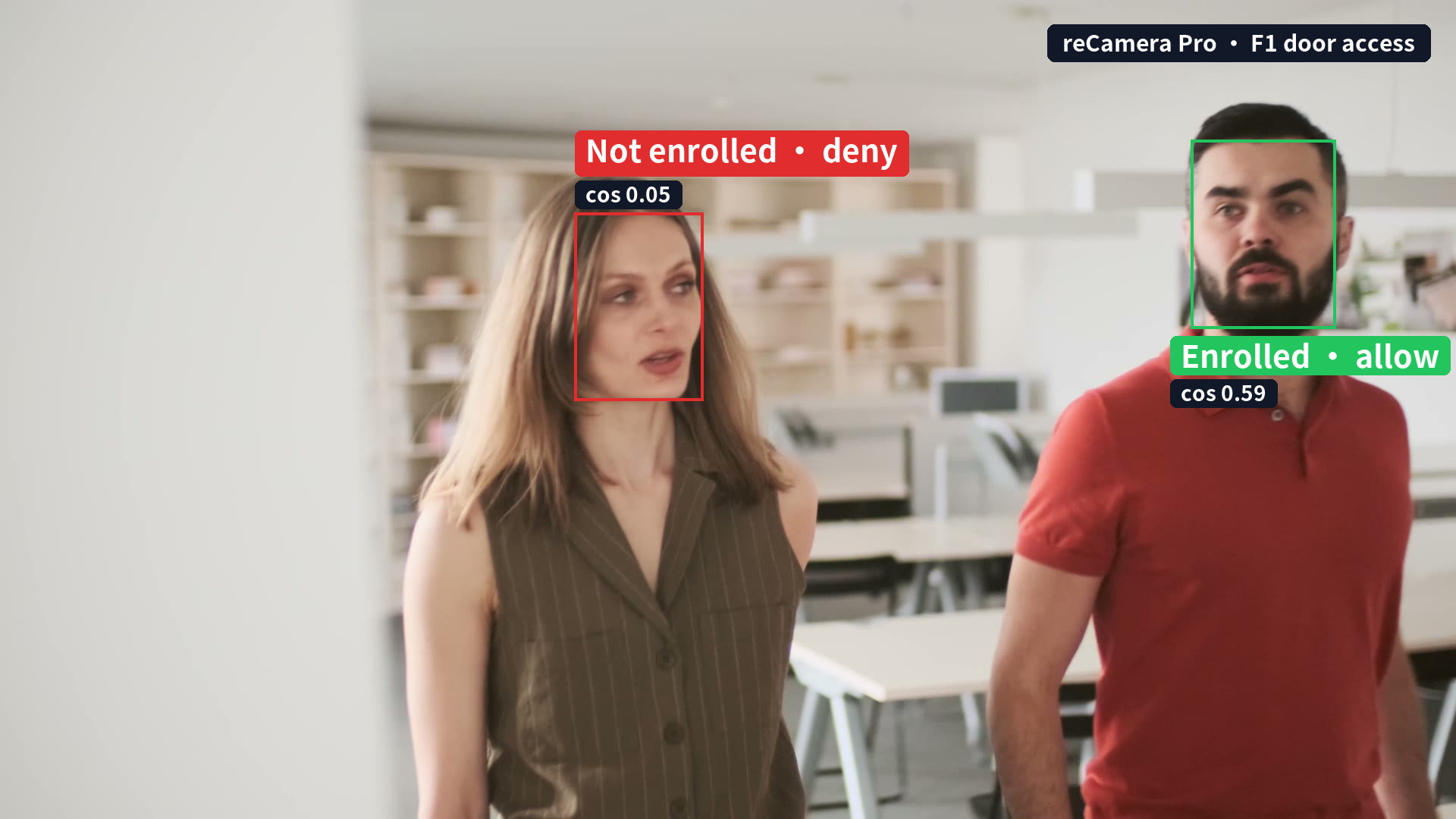
Unlock the door with a face, reject photos and screen replays, and keep opening when offline. The face library is managed in the cloud, and every unlock is recorded.
 Reference design
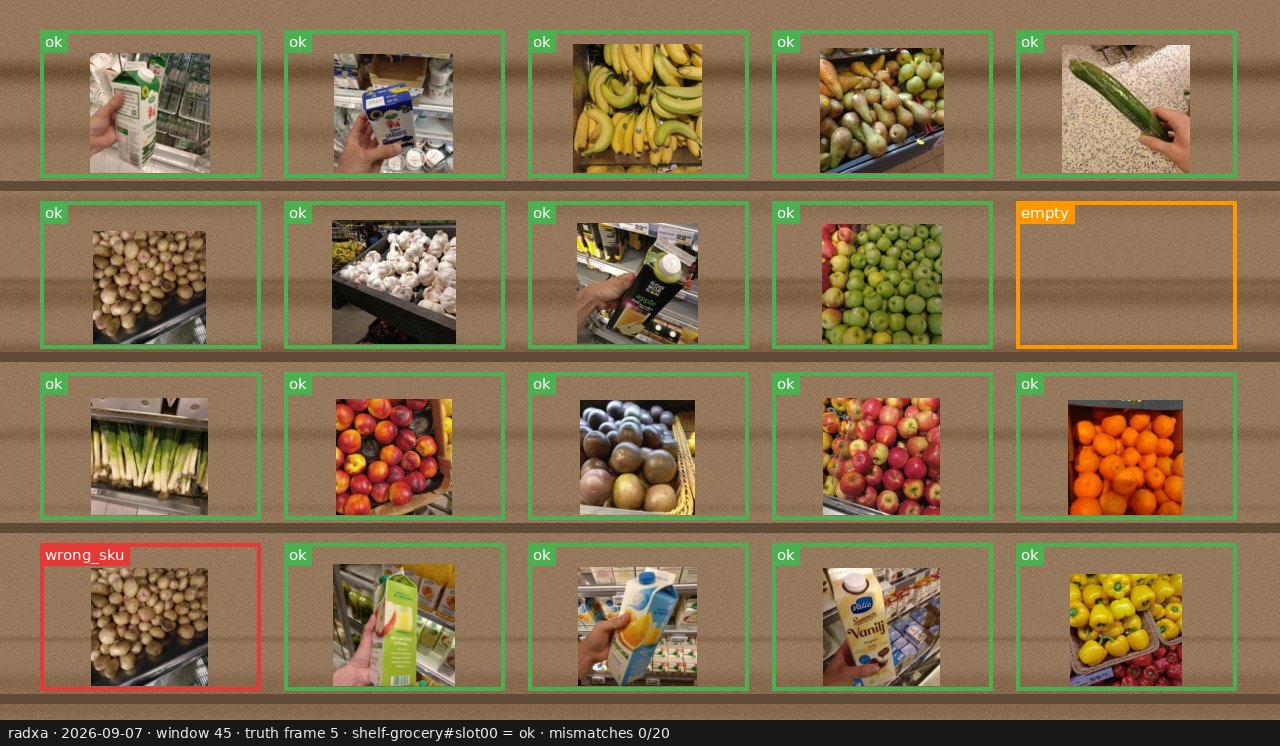
Recognise every product on a checkout belt or shelf: checkout gets an item list, the shelf reports empty and misplaced slots. Register a new product from 3–8 photos, with no retraining.
 Reference design
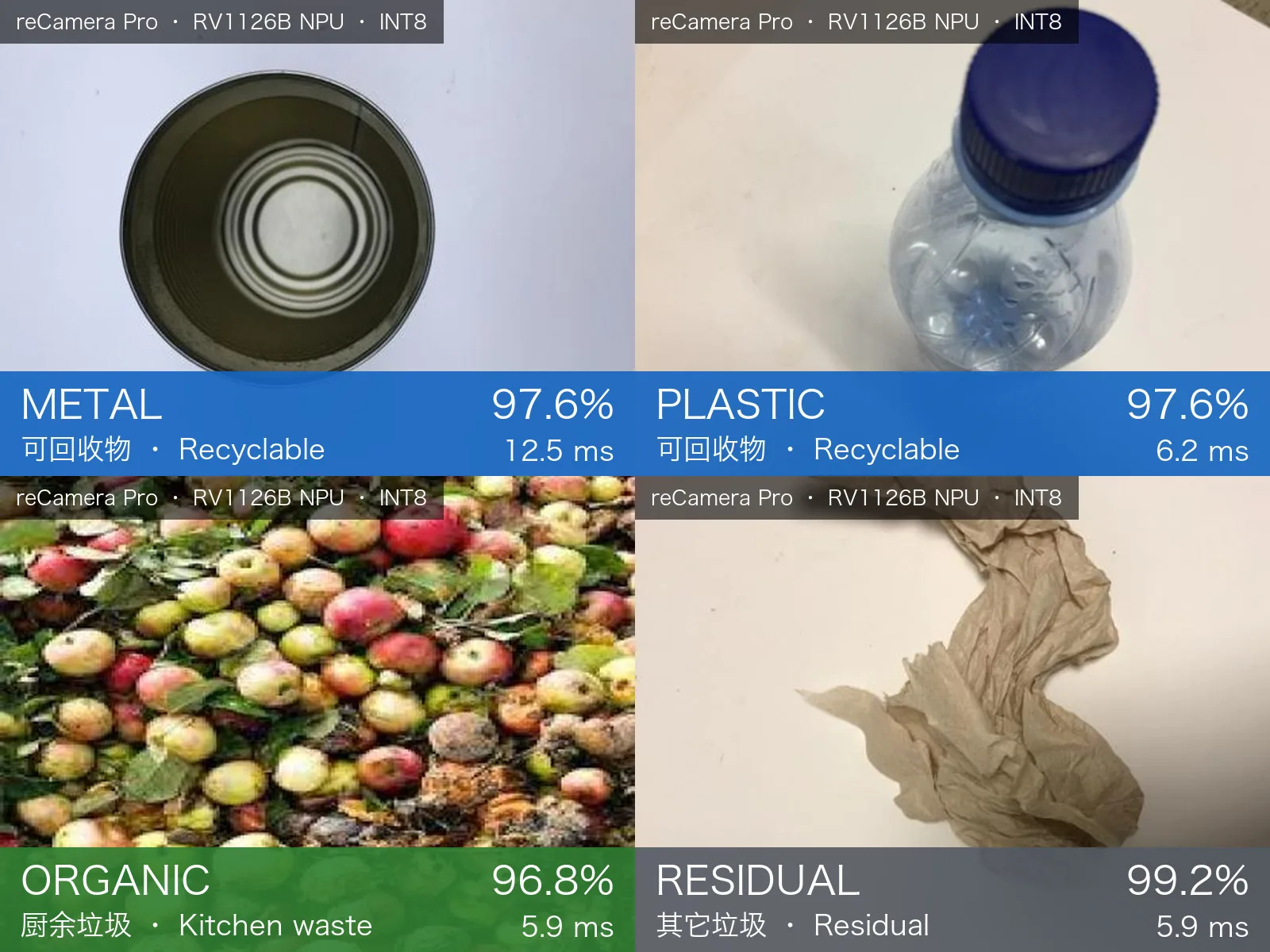
Trigger a shot at the bin and get back what the item is made of and which of the four Chinese municipal waste streams it belongs in — one MQTT message per item, decided on the device, plus a GPIO output for a flap or a lane indicator.
Answer four questions (camera connection, installation environment, analytics workload, max streams per device) and the configurator returns specific models. Architecture, compute vs. streams, video interfaces and cooling are compared in the cards below.
Not sure which to choose? See the full selection guide →
A video analytics solution combines four types of components — cameras, AI compute nodes, network, and cloud. Depending on where compute resides, deployments fall into three topologies.
Core Advantages
| Image | Product | Core Positioning | AI Performance (INT8) | Channels (YOLOv8m) | Cost |
|---|---|---|---|---|---|
 | J5012 | AGX Orin 64G | 275 TOPS | ~15 ch | ~$2800–4800 |
| J4012 | Jetson Orin NX 16G | 100 TOPS | ~7 ch | ~$900–1800 |
 | J3011 | Jetson Orin Nano 8G | 40 TOPS | ~4 ch | ~$600–1000 |
 | R2130 | RPi 5 + Hailo-8 | 26 TOPS | 2–3 ch | ~$370–550 |
 | RK3588 | Rockchip RK3588 | 6 TOPS | ~2 ch | ~$280–360 |
 | RK3576 | Rockchip RK3576 | 6 TOPS | ~1 ch | ~$160–210 |
 | reCamera Pro | All-in-One AI Camera (4K + VLM) | 3 TOPS | 1 ch | ~$300–320 |
 | reCamera | All-in-One AI Camera | 1 TOPS | 1 ch | ~$80–120 |
 | Vision V2 | OEM Custom Board | 0.04 TOPS | — (tiny models only) | ~$16–26 |
Stream counts in the table are estimates for YOLOv8m at 1080p @ 15 FPS INT8 (640×640); halve them for 30+ FPS. End-to-end measurements from the reference designs: one reComputer R2135-12 runs fall detection on 16 streams, and one reComputer J30 series unit runs assembly inspection on 8 streams at 10 fps takt.
Core Advantages
| Image | Product | Ethernet | USB | MIPI CSI | GMSL | RTSP Decode (1080p30, H.265) |
|---|---|---|---|---|---|---|
| J5012 | ×4 GbE + ×1 10GbE | ×4 | — | ×8 | 44 streams |
| J4012 | ×1 (GbE) | ×4 | ×2 | — | 18 streams |
| J3011 | ×1 (GbE) | ×4 | ×2 | — | 11 streams |
| RK3588 | ×2 (2.5GbE) | Type-A + Type-C | ✓ | — | 8K@60fps HW decode |
| RK3576 | ×2 (GbE) | Type-A + Type-C | ✓ | — | 8K@30fps HW decode |
| R2130 | ×1 (GbE) | ×2 | ×2 | — | ~4 streams (RPi 5 VPU) |
| reCamera Pro | ×1 (GbE) | ×1 (Type-C 3.0) | ×2 (1 used by built-in 8MP sensor) | — | 1 stream (on-device, 4K30 decode) |
 | reCamera 2002 HQ PoE / 2002w | ×1 (100M); HQ PoE version is PoE-powered | ×1 | — | — | 1 stream (on-device) |
The table below summarizes video input interfaces and hardware decoding limits for each device.
Core Advantages
| Image | Product | Cooling Method | Suitable Environment | Operating Temperature | Power Supply |
|---|---|---|---|---|---|
 | reServer Industrial J501 | Passive (Fanless) Industrial | Dusty/Workshop | -20~60°C | DC 12V~36V |
| reComputer Robotics J5012 | Active (Fan) | Standard Indoor / GMSL | -10~60°C | DC 19~48V |
 | reComputer Industrial J4012 | Passive (Fanless) Industrial | Dusty/Workshop | -20~60°C | DC 12V~24V |
 | reComputer Rugged J4012 | IP66 waterproof sealed enclosure | Outdoor/Wet/Rain | -20~60°C | Direct use in 48V systems |
 | reComputer Super J4012 | Active (Fan) Super | Standard Indoor | -20~60°C | DC 12-19V |
 | reComputer Industrial J3011 | Passive (Fanless) Industrial | Dusty/Workshop | -20~60°C | DC 12V~24V |
 | reComputer Rugged J3011 | IP66 waterproof sealed enclosure | Outdoor/Wet/Rain | -20~60°C | Direct use in 48V systems |
 | reComputer Super J3011 | Active (Fan) Super | Standard Indoor | -20~60°C | DC 12-19V |
 | reComputer Industrial R2235 | Passive (Fanless) | Dusty/Workshop | -20~50°C | DC 9-36V Wide |
 | reComputer AI Industrial R2135 | Active (Fan) | Standard Indoor | -20~65°C | DC 12-19V |
Three site types, three enclosures: standard indoor sites use fan-cooled models; dusty indoor sites use the sealed fanless Industrial models; outdoor or wet sites that may see water use the IP66 waterproof Rugged models. Power input and operating temperature are in the table.
Core Advantages
Yes. As long as the cameras support RTSP streams (most mainstream IP cameras do), connect them to the AI box over Ethernet and reuse them — no camera replacement. Just size the box by channel count: J3011 for a few channels, J4012 / J5012 for more, or reComputer RK3576 / RK3588 for 1–2 channels on a tight budget.
No. Inference runs on the local device, so there are no video-upload traffic fees, per-call AI charges or GPU rental.
Yes. Detection, recognition and alerting run on the device and can drive local sirens, lights or door control directly. In the fall detection reference design, pose estimation, tracking, fall logic and the MQTT broker all run on the detection host; a network is needed only to forward events to an external platform.
Yes. The general model covers 80 common classes such as people and vehicles. For custom targets, add on-site images to an open dataset and fine-tune on the SenseCraft AI platform yourself; platform fine-tuning is free. Start with a small batch to validate. Deeper model or algorithm customization by our team is a secondary-development service; contact us for a quote.
Video is analyzed locally and footage stays on the device by default; what goes upstream is event metadata: when, where, what happened. In the fall detection reference design, the network carries a few hundred bytes of JSON per frame (overall state plus one record per tracked person).
Yes. The Seeed devices used in this solution can be customized with your own logo, enclosure, packaging and pre-loaded firmware, and existing models can be adapted to add or drop interfaces and features. See Customization Service for scope and process, or .