R1000 Docs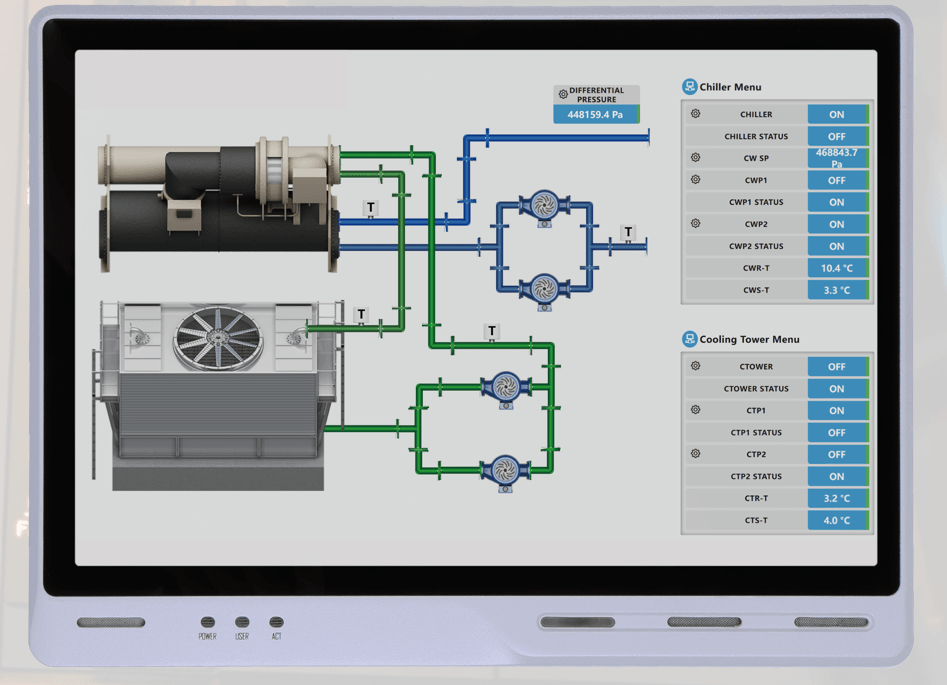
Efficient Energy Management for Smart Buildings
A stable 24/7 device control and energy management system

Grouped by the system being retrofitted: HVAC, lighting and power.
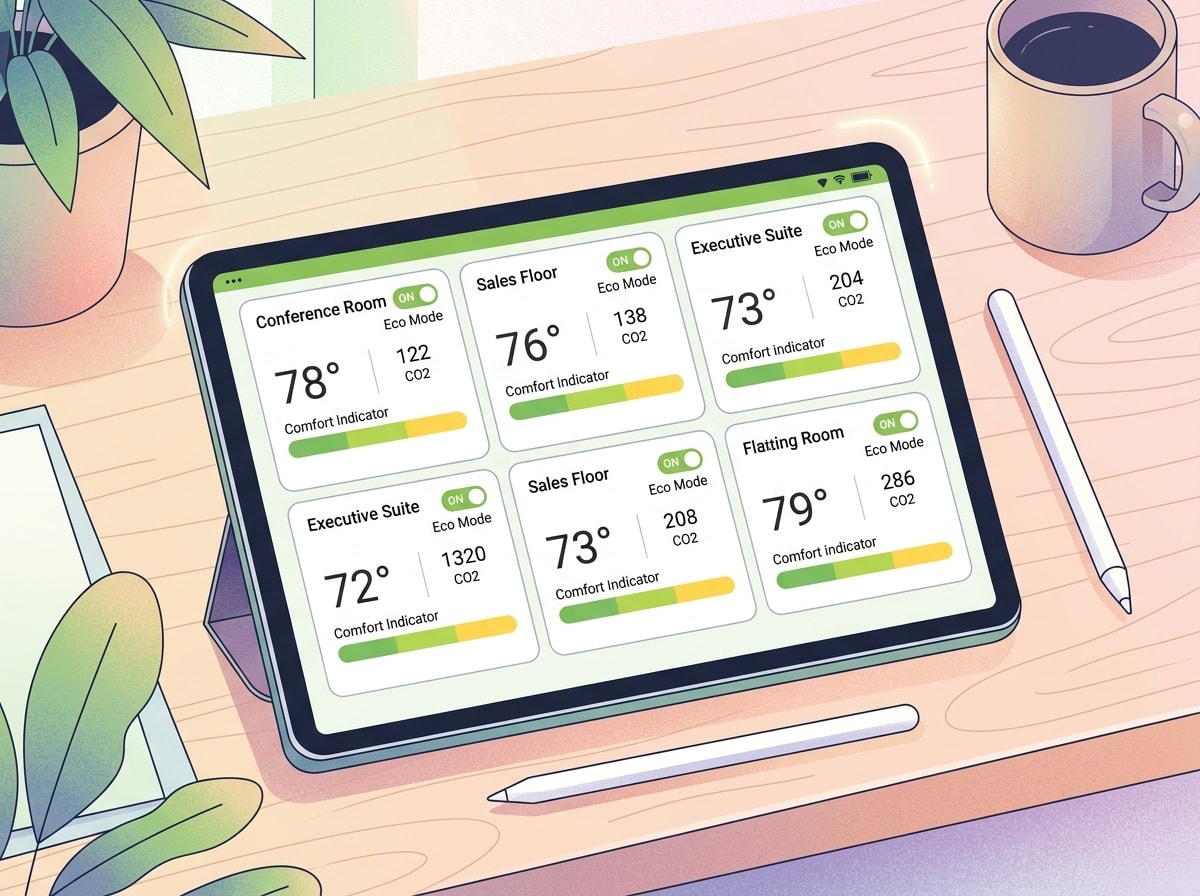
Keep the existing HVAC and add LoRaWAN temperature, humidity and CO₂ sensors plus an edge gateway to see conditions and run status by zone. The HVAC control reference design writes setpoints and reads each write back; a mismatch raises an alarm and rolls the point back.
Core Advantages
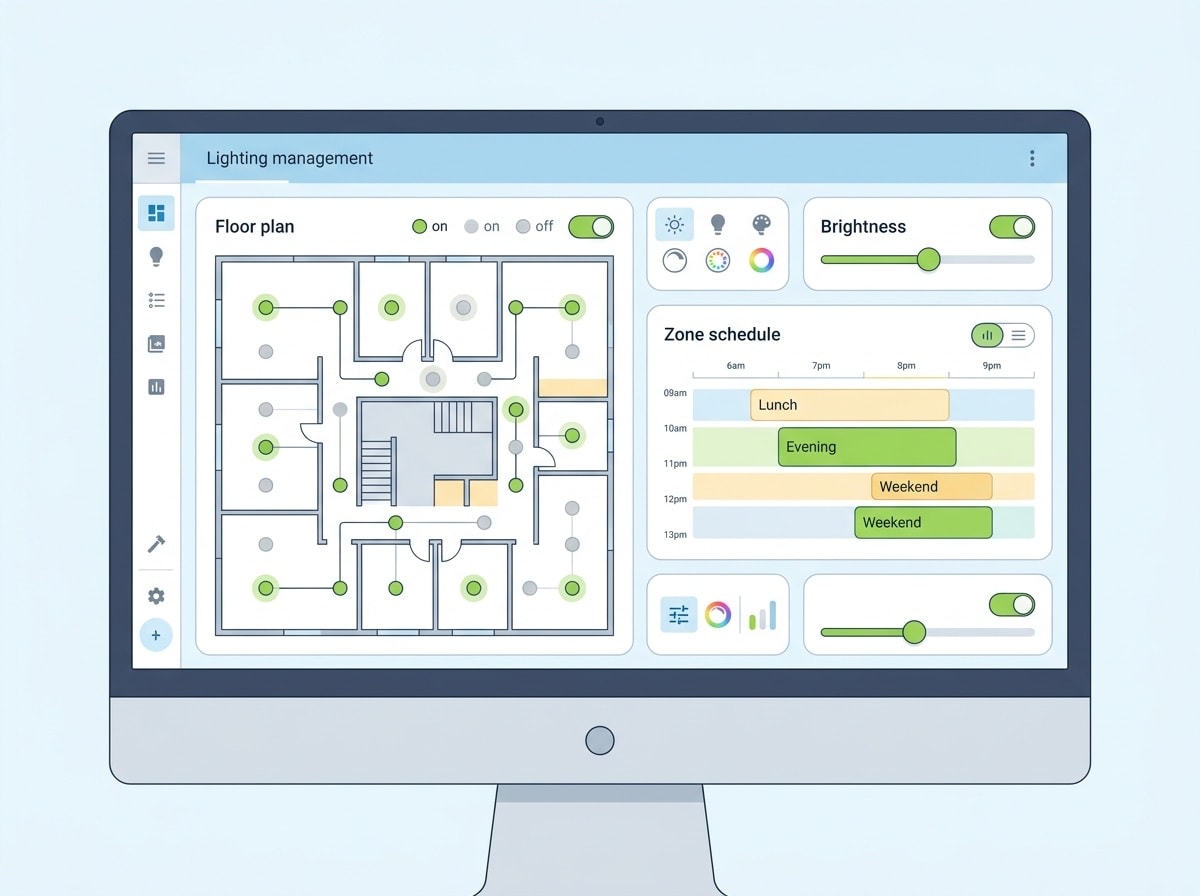
Lighting controllers with Modbus connect to the R1225 gateway; KNX, DALI and similar protocols need a matching protocol gateway. S2102 light sensors record illuminance for zone on/off and dimming schedules.
Core Advantages
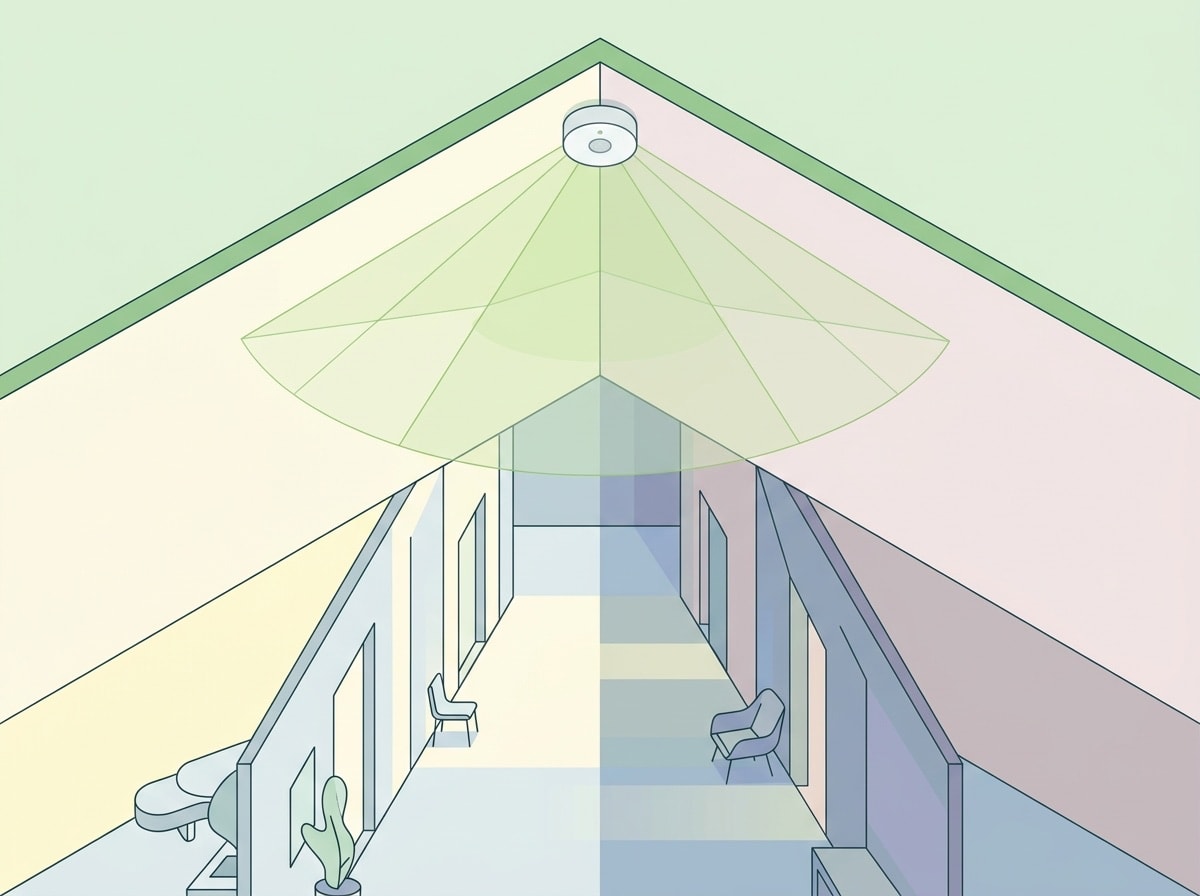

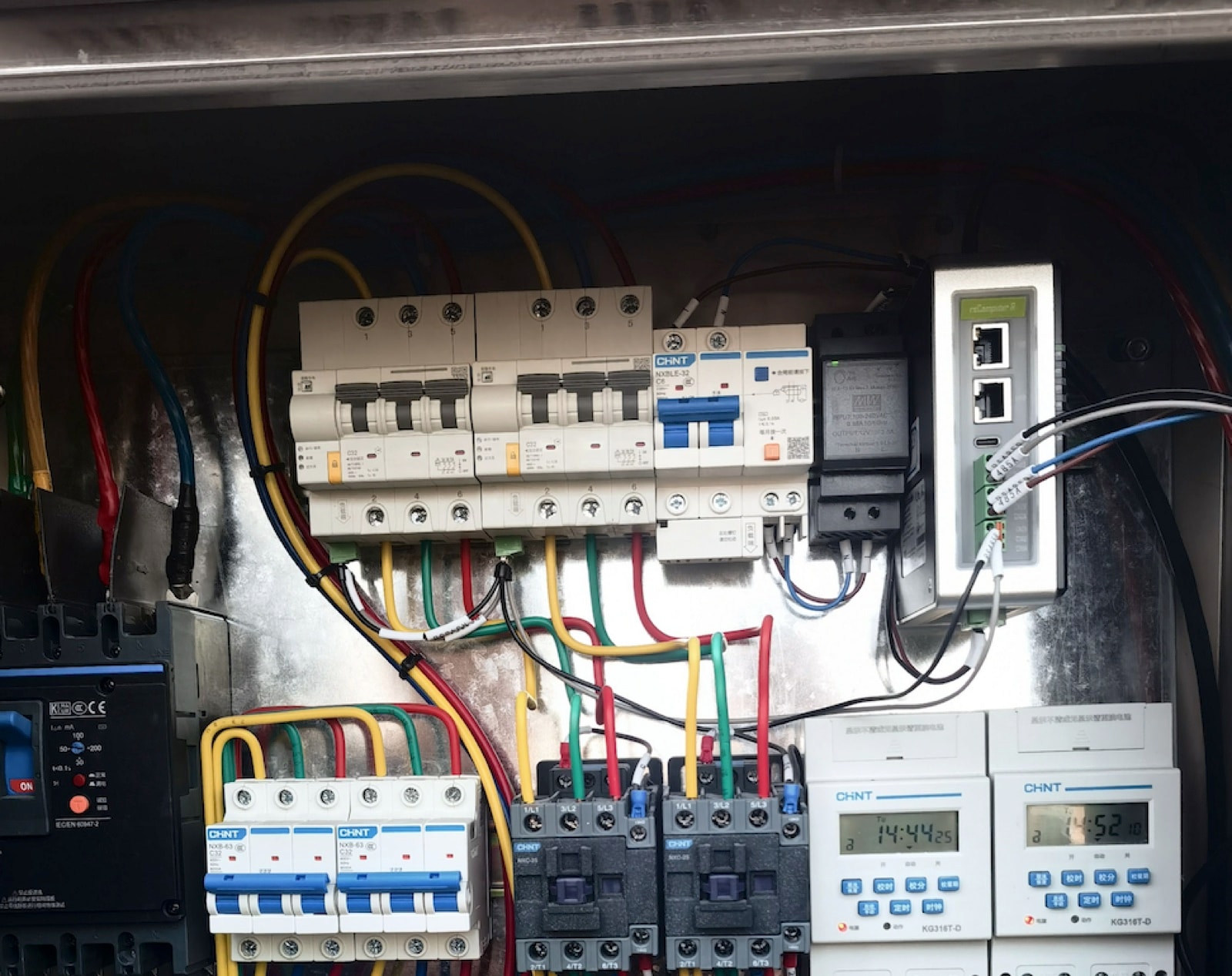
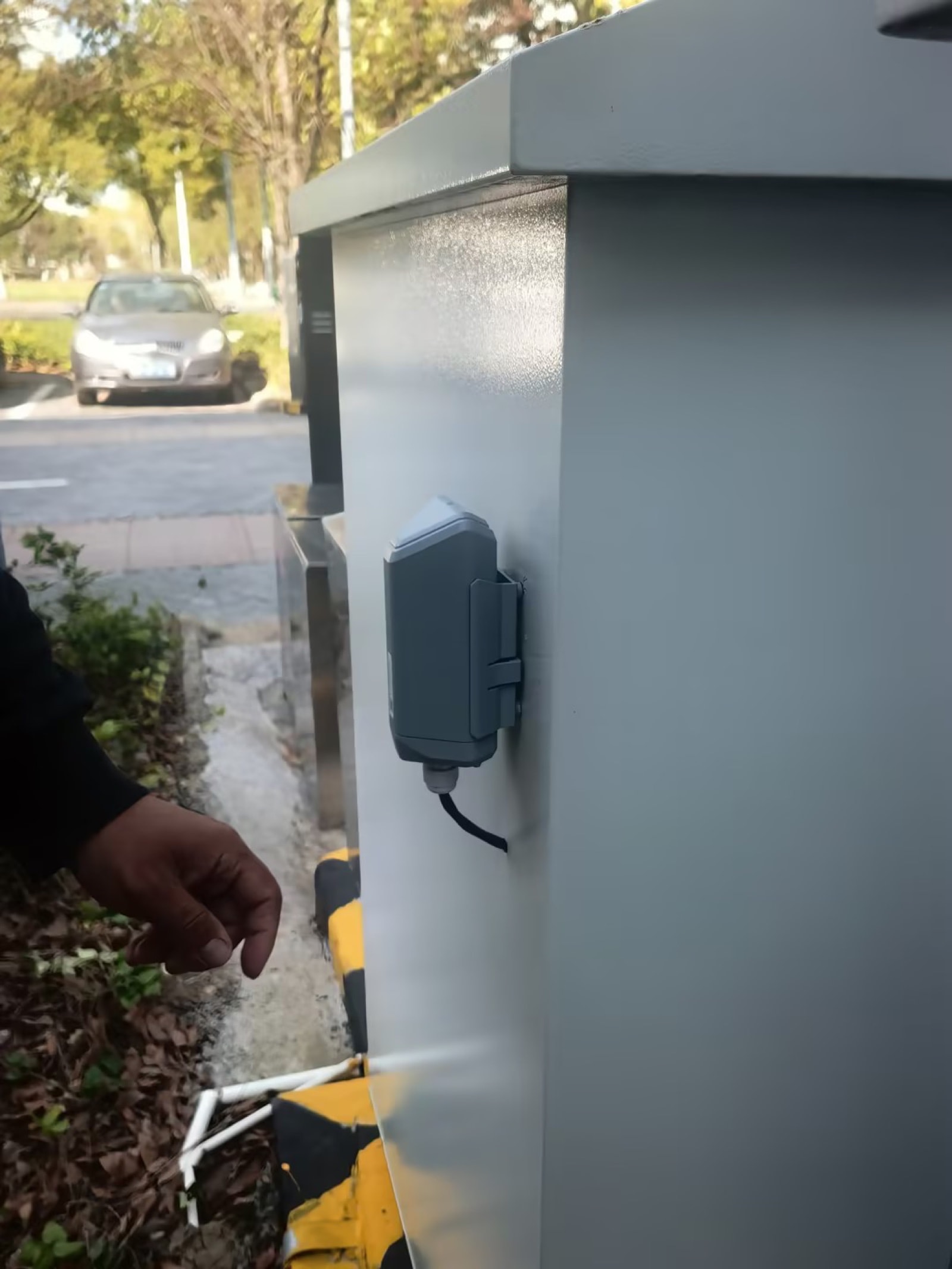
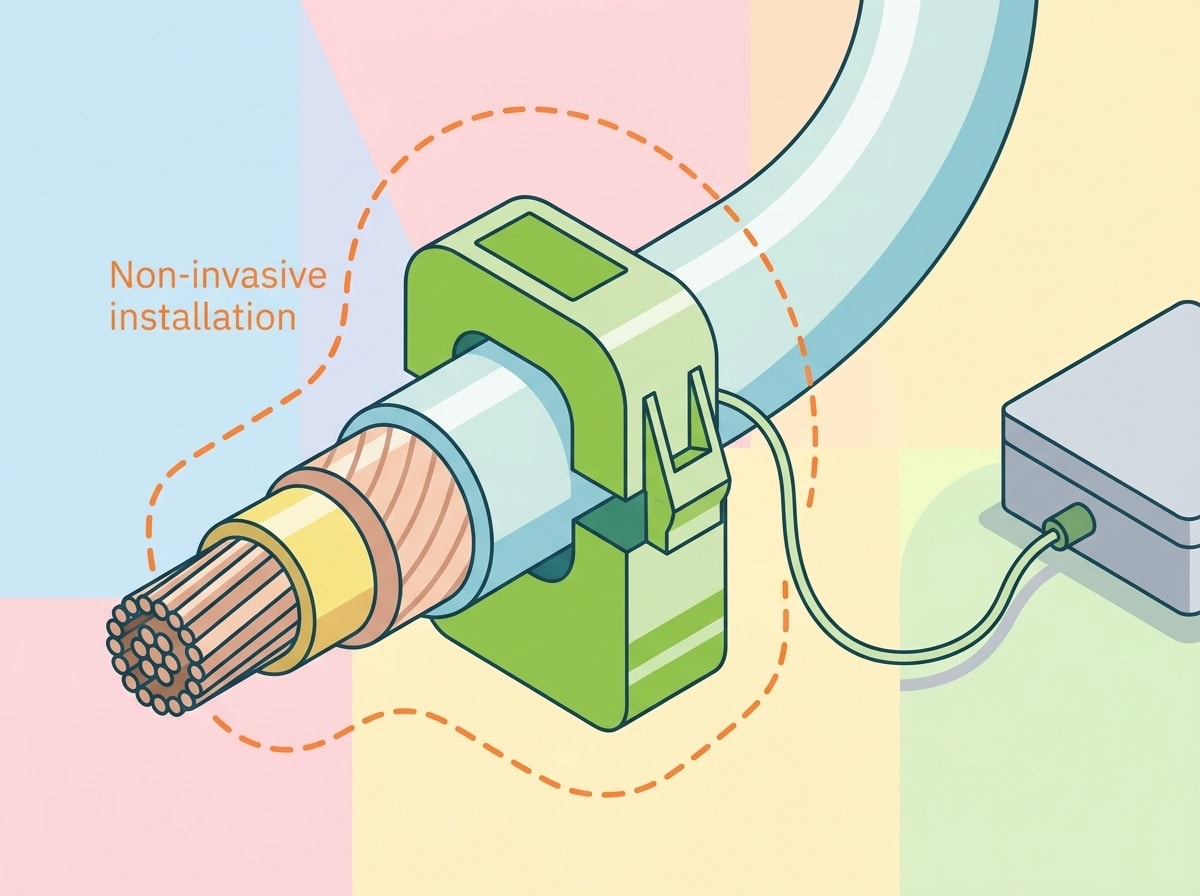
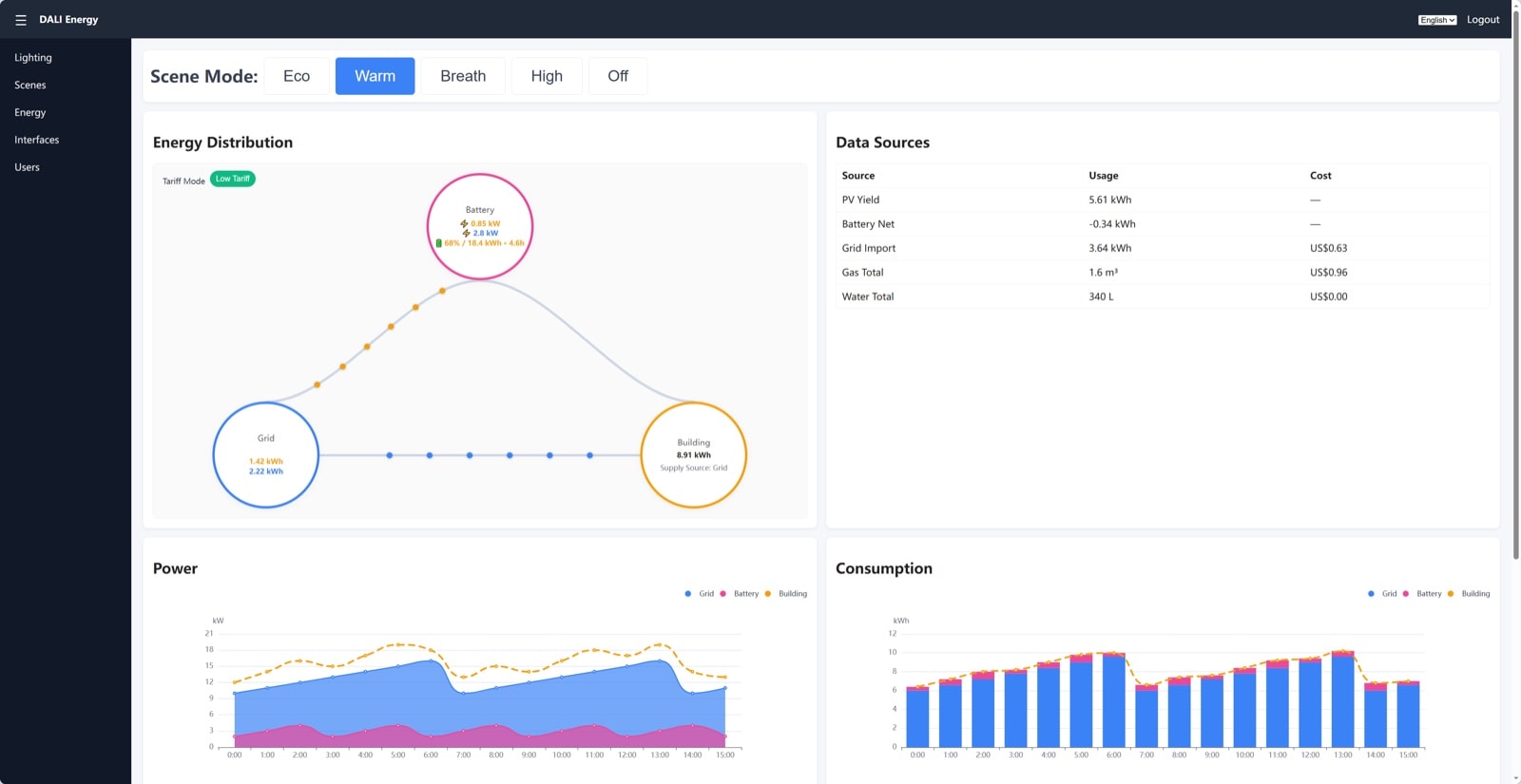
Add an R1225 gateway and CT current transformers inside the electrical panel to collect power data per circuit. Leak, temperature and smoke alerts appear in the same dashboard as energy data.
Core Advantages
Select by application and gateway backhaul; the configurator returns the matching hardware list.
Not sure which to choose? See the full selection guide →
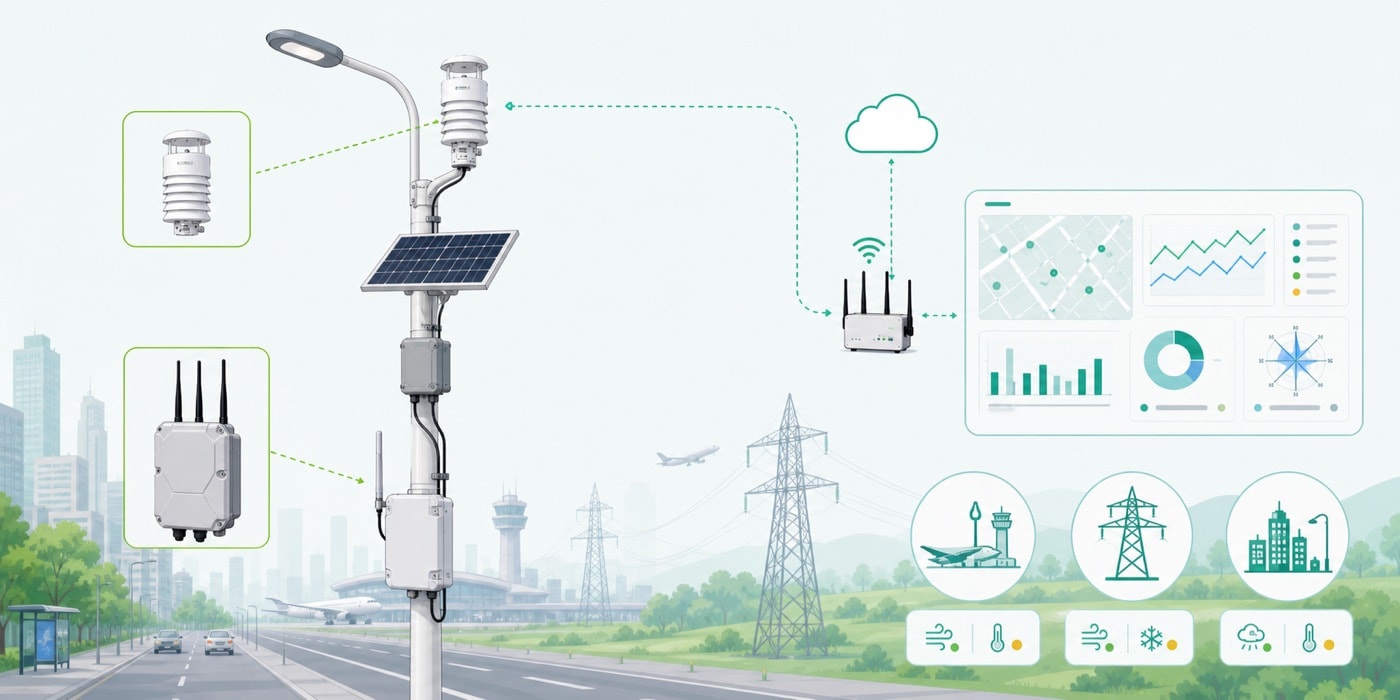
The retrofit has three layers: sensors (LoRaWAN / RS485 probes), a gateway (R1225 handles LoRa reception, protocol conversion and edge control) and applications (an open-source platform or the customer's own cloud).
Core Advantages
| Image | Product | Measurements | Connectivity | IP Rating |
|---|---|---|---|---|
 | S700 V2 7-in-1 Compact Weather Station | air temperature / relative humidity / barometric pressure / light intensity / rainfall / wind speed / wind direction | RS485, SDI-12 | IP66 |
 | S700-A 7-in-1 Weather Station (Radar Rain) | air temperature / relative humidity / barometric pressure / wind speed / wind direction / rainfall intensity (radar) / light intensity | IP66 | |
 | S700-B 7-in-1 Weather Station (Solar Radiation) | air temperature / relative humidity / barometric pressure / precipitation intensity (optical) / wind speed / wind direction / global solar radiation / sunshine duration | Modbus | IP66 |
 | S700-C 7-in-1 Weather Station (Solar + Radar Rain) | air temperature / relative humidity / barometric pressure / rain intensity (radar) / wind speed / wind direction / global solar radiation / sunshine duration | Modbus | IP66 |
 | S2106 pH Sensor | pH 0~14 pH | LoRaWAN, BLE | IP66 |
 | S2108 Soil Moisture/Temp/Pore EC Sensor | soil_moisture 0~100% (m³/m³) temperature -40~80C pore_EC 0~20 ms/cm (Bulk), 0~32 ms/cm (Pore) | LoRaWAN, BLE | IP66 |
 | S2101 Air Temperature and Humidity Sensor | temperature -40~85C humidity 0~100%RH | LoRaWAN, BLE | IP66 |
 | S2102 Light Intensity Sensor | light intensity 0~160000 lux | LoRaWAN, BLE | IP66 |
 | S2103 CO2, Temperature, and Humidity Sensor | CO2 400~10000ppm temperature -40~85C humidity 0~100%RH | LoRaWAN, BLE | IP66 |
 | S2105 Soil Moisture/Temp/EC Sensor | soil_moisture 0~100% (m³/m³) temperature -40~80C EC 0~23 dS/m | LoRaWAN, BLE | IP66 |
 | S2107 Temperature Sensor with PT1000 | temperature -50~300°C | LoRaWAN | IP66 |
 | S2100 Data Logger/DTU | LoRaWAN, BLE | IP66 |
LoRaWAN probes run on batteries; estimate battery life for your reporting interval with the battery life calculator. Legacy RS485 meters connect over LoRa through the S2100 data logger. The table lists SenseCAP probes commonly used in building retrofits.
Core Advantages
| Image | Product | Connectivity | Use Case |
|---|---|---|---|
 | reComputer R1225 Gateway | Wi-Fi, Bluetooth/BLE, LoRaWAN | Main building gateway |
 | reComputer R1024-10 IoT Gateway | Modbus, BACnet, Ethernet | Wired meter collection / LAN deployment |
 | reComputer R1125-10 IoT Gateway (PoE) | WiFi, BLE, Ethernet, RS485, CAN bus | DIN rail / cabinet mount (PoE) |
 | Indoor Gateway(SX1302) | LoRaWAN, Ethernet, WiFi, BLE | Extend indoor LoRa coverage |
 | Sensor Hub Industrial-grade 4G Data Logger | 4G LTE, LoRaWAN, MQTT, MODBUS-RTU | Scattered meters, no gateway |
The main building gateway is the R1225, a LoRaWAN gateway and multi-protocol controller in one. To extend indoor LoRa coverage, add a SenseCAP M2. If you only need RS485 meters sent over 4G to the cloud with no LoRa gateway, use the SenseCAP Sensor Hub 4G.
Core Advantages
| Image | Product | Use Case | Connectivity |
|---|---|---|---|
 | Watcher W1-B White Enclosure | Edge AI Agent, wake-word voice, event-triggered actions | WiFi, BLE |
 | Indicator D1 | 4-inch touchscreen, ops/facility entry | WiFi, BLE, LoRa |
 | reTerminal DM 10.1" Industrial HMI | 10.1-inch industrial HMI, programmable | Ethernet, RS485, CAN bus |
Facilities and operations staff need a place to view data and adjust by hand. The Indicator D1S is a 4-inch touchscreen for checking energy and switching policies without a PC; the reTerminal DM is a 10.1-inch industrial HMI for custom interfaces. The Watcher carries a microphone and a camera and holds a wake-word voice conversation; the smart_space_assistant reference design shows how: face recognition runs on the device, while the voice dialogue needs network access to the Xiaozhi service.
Core Advantages
LoRaWAN sensors are low power and battery driven, need no cabling, and many sensors in a building can share one gateway. Actual range through walls and capacity per gateway depend on the building structure, so test the signal on site before deployment.
Monitoring and local logic run on the gateway; remote viewing, cloud sync and push alerts need an upstream network.
Battery life depends on the reporting interval and spreading factor (SF). Estimate it for your settings with the battery life calculator.
The number of LoRaWAN nodes per gateway depends on reporting interval and signal quality; each RS485 bus carries multiple meters. Send us your point list to size it.
1-year hardware warranty plus long-term support for standard use; custom development goes through customization.
Modbus and BACnet are common integration protocols, but actual integration depends on the device implementation, point list, read/write access and gateway driver. The integrator should check the site first; other protocols can be assessed for adaptation or custom development.
Yes. One gateway connected to the AC controller and a power meter shows live energy use. Remote AC control depends on whether the controller allows Modbus or BACnet writes.
Local deployment is supported: sensor data and control logic can run inside your LAN with no internet connection. When cloud access is needed, the gateway can upload over encrypted MQTT/HTTP to your private cloud or platforms such as Azure and AWS.
Yes. The Seeed devices used in this solution can be customized with your own logo, enclosure, packaging and pre-loaded firmware, and existing models can be adapted to add or drop interfaces and features. See Customization Service for scope and process, or .