 Wiki
Wiki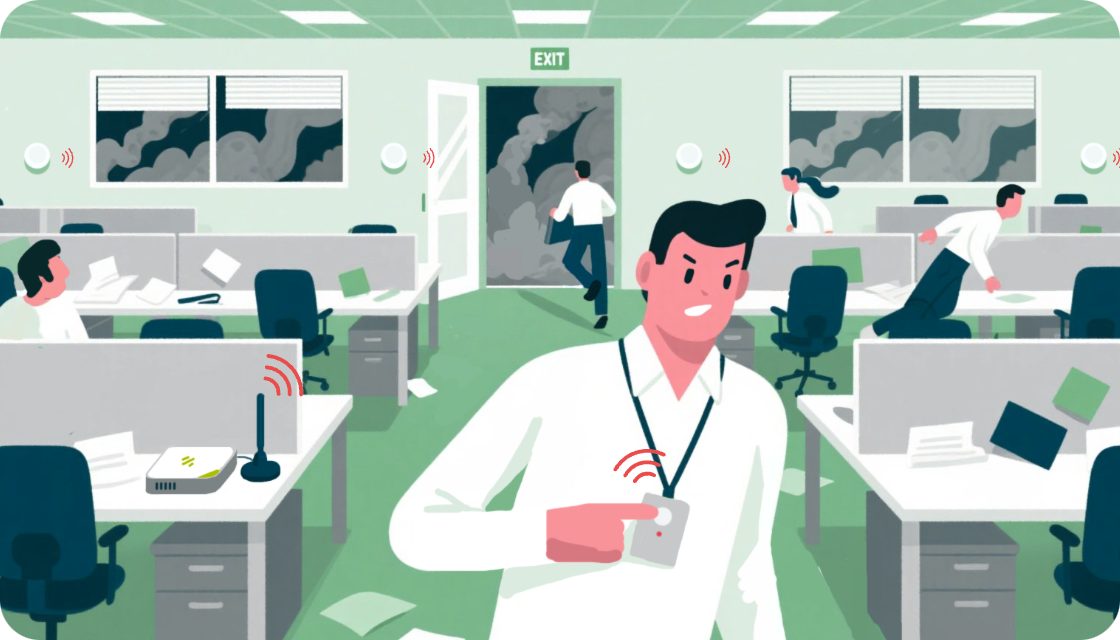


Connecting Cameras to Edge AI for Resident Safety
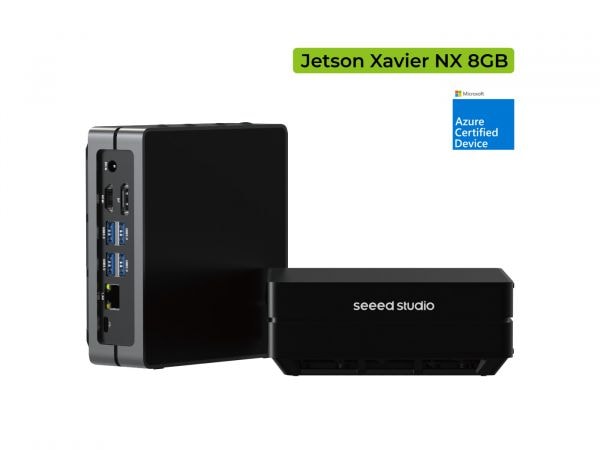
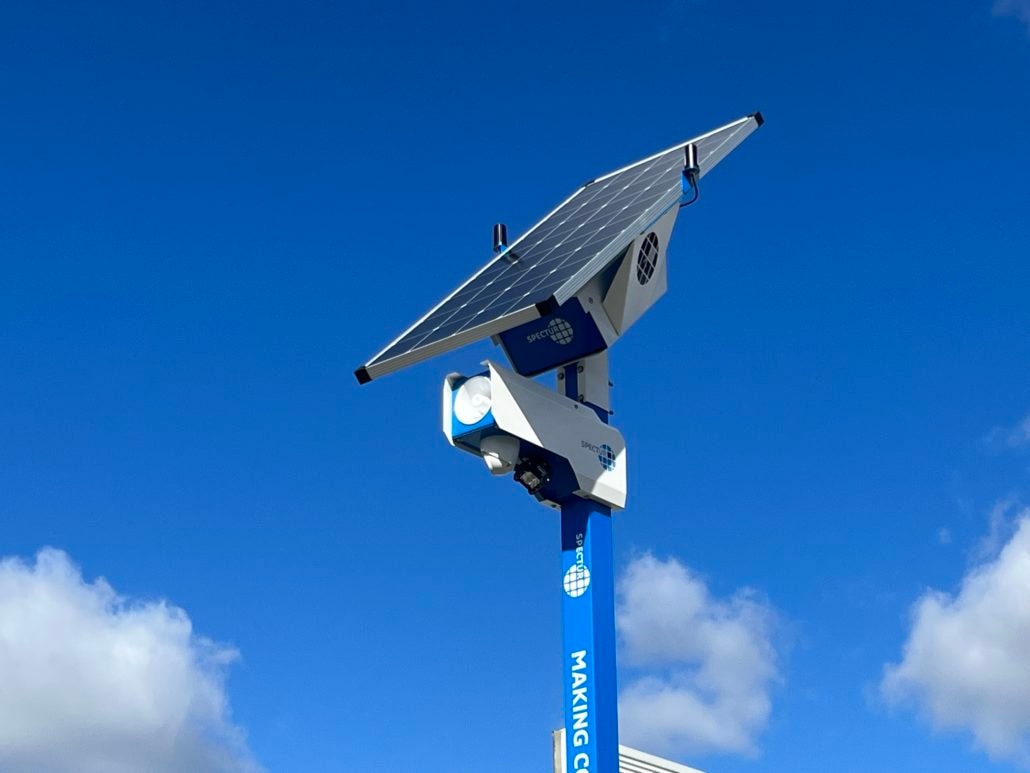
Stream video from cameras to a local AI box for illegal intrusion and property damage detection.

Tracking systems cost a lot, need constant charging, and split indoor/outdoor in two — security teams drown in upkeep.
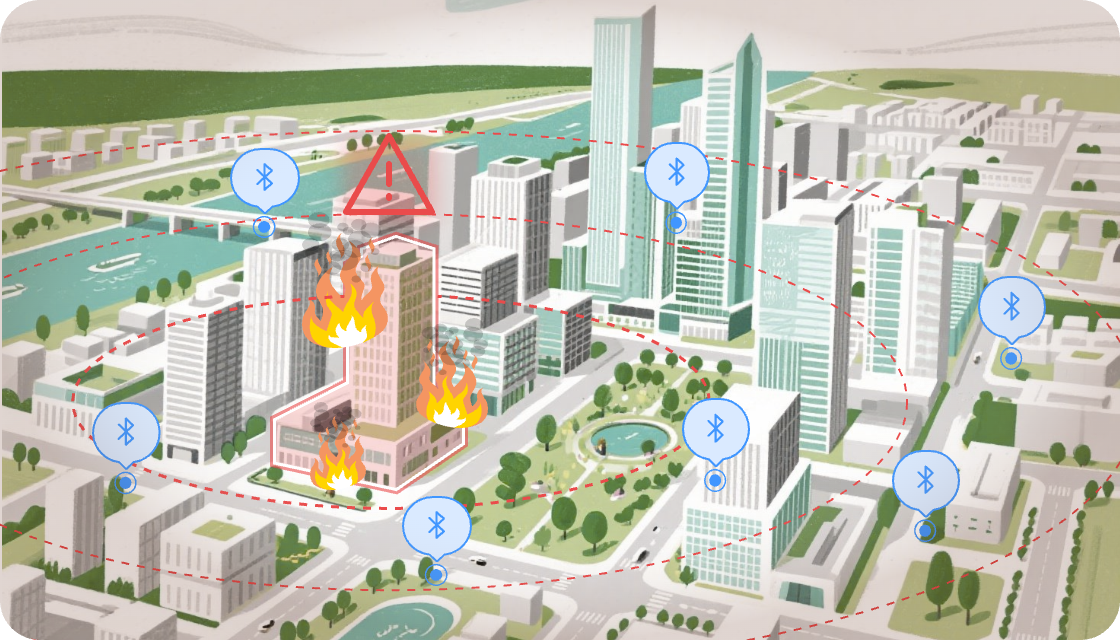
Using low-power modules combined with Bluetooth, Wi-Fi, and GPS technologies, we reduce maintenance costs and eliminate indoor/outdoor tracking blind spots.
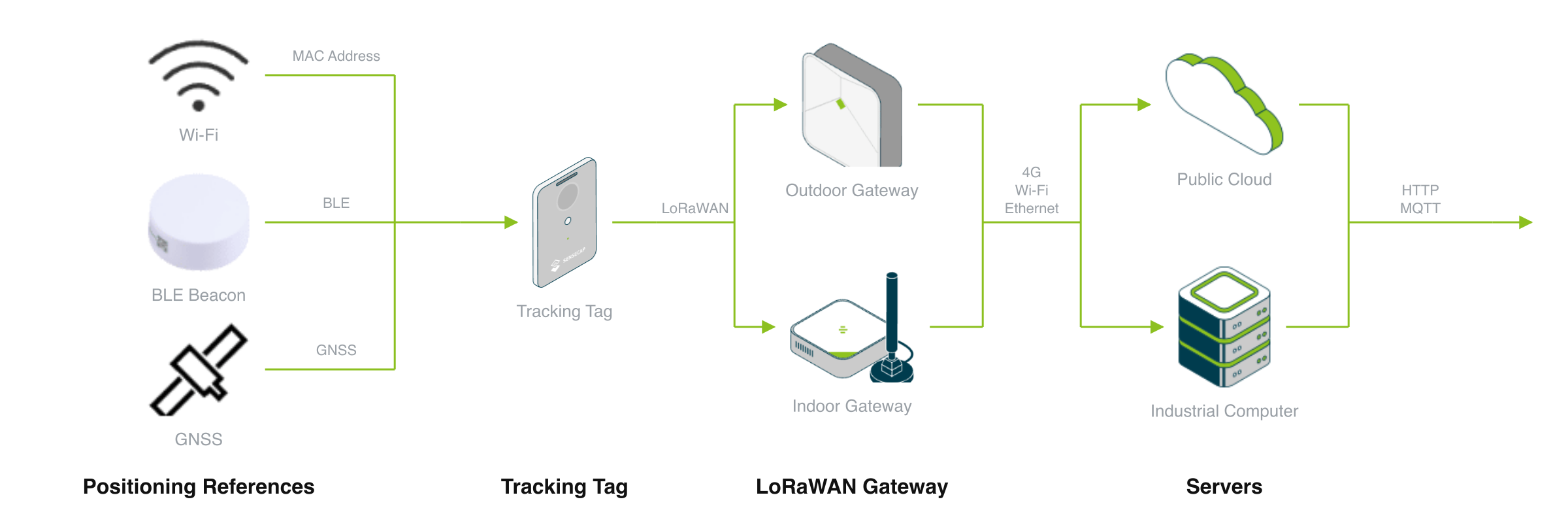
| Image | Product | Use Case |
|---|---|---|
 | Card Tracker T1000-A | Safety badge, GNSS/WiFi/BLE/Buzzer/SOS, with built-in sensors |
 | BC03 Indoor Bluetooth Beacon for Tracker | Indoor BLE beacon, battery life over 5 years |
 | Indoor Gateway(SX1302) | LoRaWAN indoor gateway, band by deployment country |
When something happens, you can't find who's where or get the alert out — channels are scattered, and security learns too late.
Campus members carry a safety badge; a double press sends a low-latency emergency report over a dedicated channel.

| Image | Product | Use Case |
|---|---|---|
| Card Tracker T1000-A | Safety badge, GNSS/WiFi/BLE/Buzzer/SOS, with built-in sensors |
| BC03 Indoor Bluetooth Beacon for Tracker | Indoor BLE beacon, battery life over 5 years |
| Indoor Gateway(SX1302) | LoRaWAN indoor gateway, band by deployment country |
Traditional manual video surveillance is inefficient, prone to missing events, and has high labor costs. It struggles to provide 24/7 real-time detection and alerts for anomalies like intrusions, falls, or fires, resulting in slow emergency response.
Edge AI models analyze video streams for behavior recognition, detecting intrusions, loitering, falls, or fires in milliseconds and automatically triggering security system integrations.

Not sure which to choose? See the full selection guide →
What do you need to track?
The solution is restrained on privacy: badges report only zone-level location and double-press SOS events — no audio, no filming. Data stays on the campus's own network, kept entirely on the school's or company's platform with no third-party cloud involved. Pair rollout with a clear informed-notice process: a safety device that acts only in emergencies.
The two event types differ. Double-press SOS alarms are human-triggered, so false alarms are not inherent. AI video detection (e.g. weapon or intrusion recognition) analyzes locally in real time, with false positives controlled via detection zones, confidence thresholds, and review workflows. Models keep tuning on on-site samples, so false alarms decline over time; early on, keep human review and feed false positives back as labeled data.
The solution provides complete API interfaces: positioning, alarms, and AI events can all be pushed via standard interfaces to your existing security platform or dispatch system, linking door control, broadcast, and screens. No rip-and-replace — it adds a personnel-positioning + active-alarm layer on top of your current security stack.
The cost structure is clear and easy to estimate: personnel badges per headcount; indoor Bluetooth beacons per room/zone that needs positioning (battery-powered, wiring-free, low install cost); LoRaWAN gateways with kilometer coverage — one or two per campus; plus platform-integration services. Finer positioning granularity means more beacons, and key areas can be phased in first.
Yes. The Seeed devices used in this solution can be customized with your own logo, enclosure, packaging and pre-loaded firmware, and existing models can be adapted to add or drop interfaces and features. See Customization Service for scope and process, or .