 Scenario
Emergency Response Command
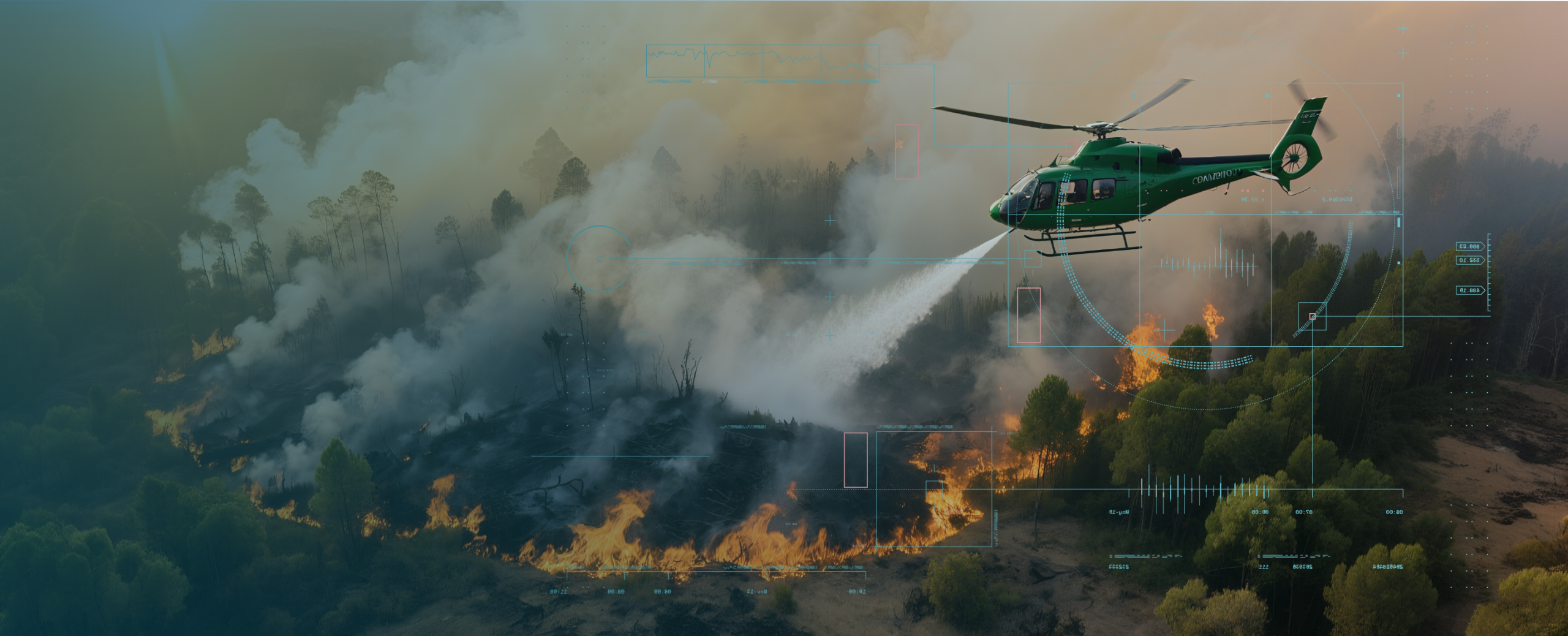
A post-disaster data and device-management solution: build a local network first, then choose 4G, satellite, or another available link for backhaul.
 Scenario
A post-disaster data and device-management solution: build a local network first, then choose 4G, satellite, or another available link for backhaul.
 Scenario
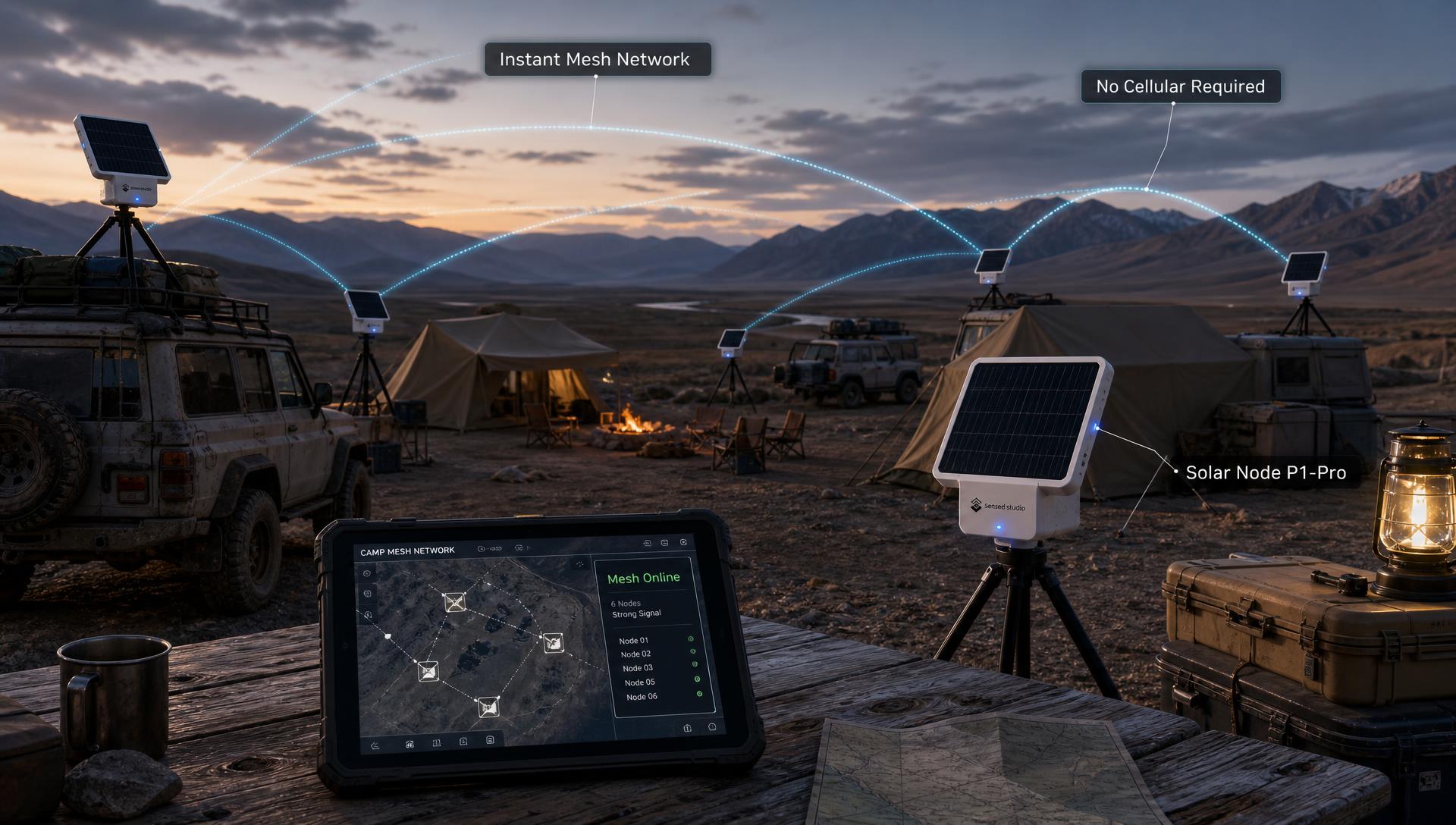
Local messaging over Mesh when the public network is absent or congested
 Scenario
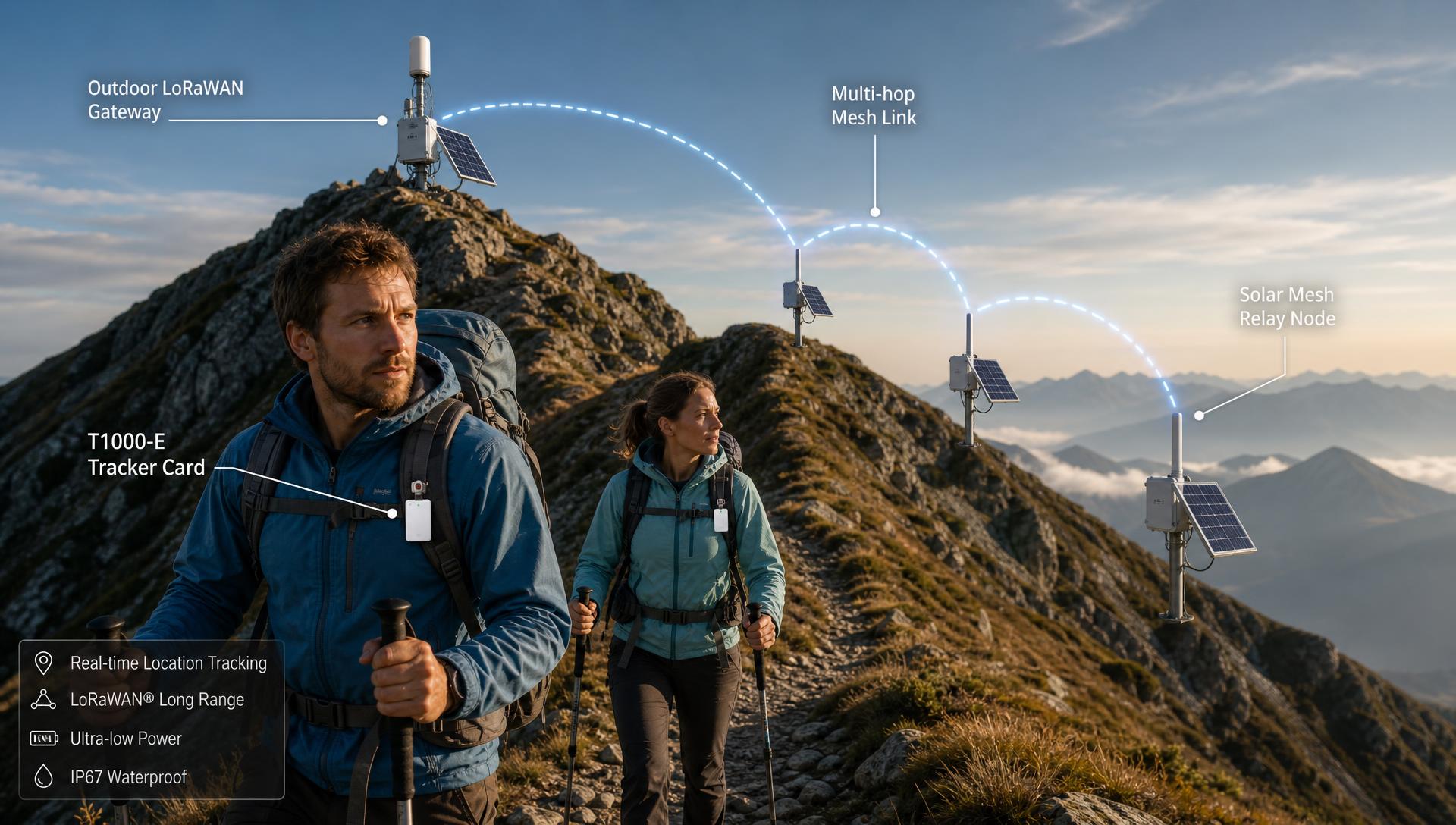
Mountains, waters, remote trails—locator badge + Mesh relay
 Scenario
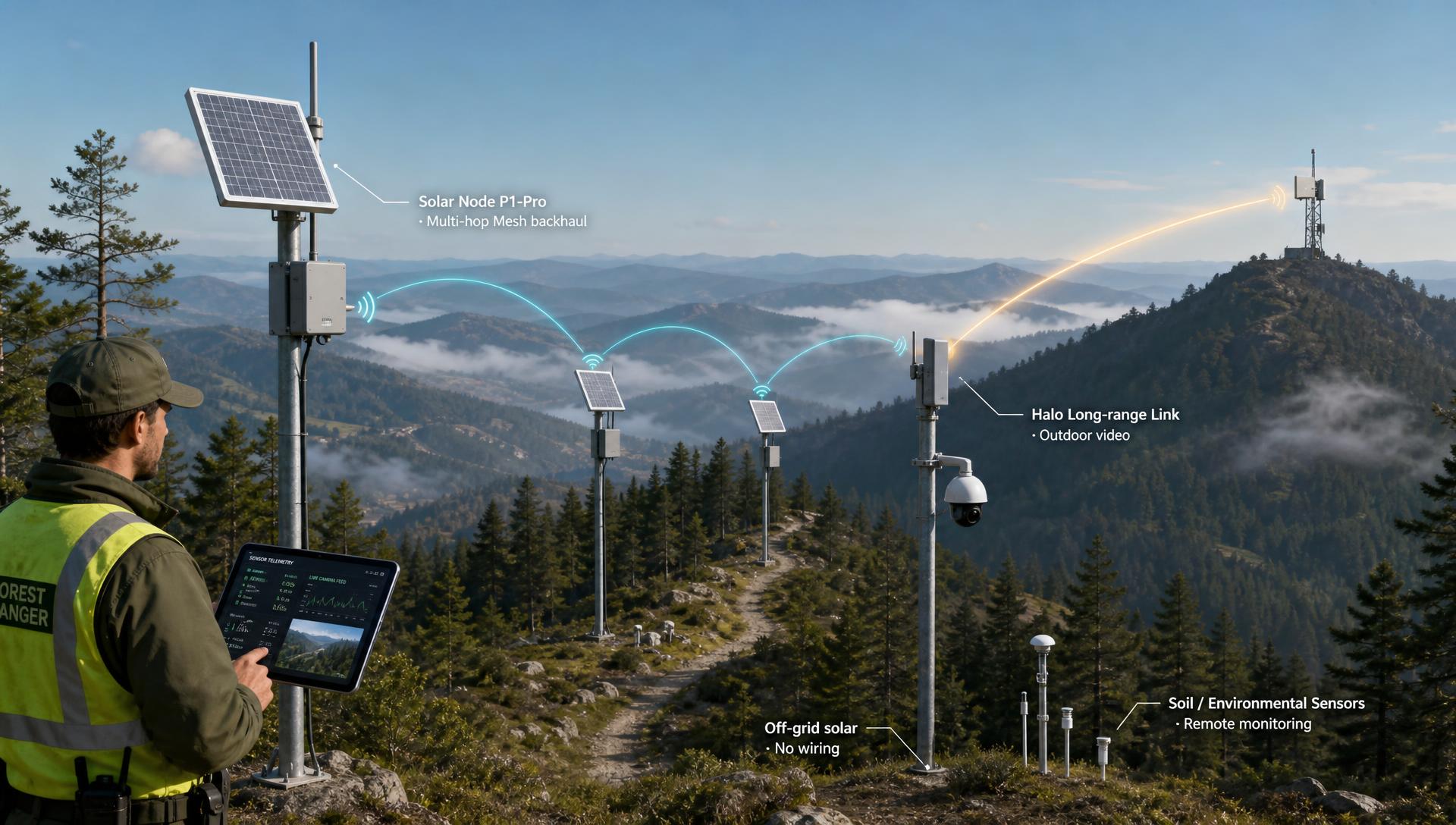
Remote patrol sites: multi-hop Mesh for sensor data and alerts
Mesh nodes and locator badges handle networking and positioning; a LoRaWAN gateway can be added when data must reach a cloud platform.
Not sure which to choose? See the full selection guide →
What do you need to do? The hardware covers 862–930 MHz and does not support mainland China (470–510 MHz); confirm the band for your target country before ordering.
Left, user devices: a phone pairs with a tracking badge over BLE to send messages and view positions in the mobile app. Right, mesh nodes: tracking badges, SenseCAP Indicator and an optional fixed relay forward traffic hop by hop over LoRa Mesh, with no gateway or public network.
Core Advantages
| Image | Product | Core Role | Protocol | Use Case |
|---|---|---|---|---|
 | T1000-E | Wearable badge, GNSS + BLE positioning + SOS | Meshtastic or LoRaWAN firmware versions | Private mesh and outdoor tracking (Meshtastic); campus positioning and asset tracking (LoRaWAN) |
 | Solar Node P1 | Solar power module (optional accessory) | MeshCore / Meshtastic | Extends runtime off-grid |
 | XIAO Meshtastic Kit | Low-cost DIY Mesh node | Meshtastic (868/915 MHz) | Prototyping, small-scale deployment |
The locator badge is a wearable terminal with GNSS + BLE positioning and SOS, positions viewable in the mobile app; the XIAO Meshtastic Kit is a low-cost DIY node suited for prototyping; the Solar Node P1 is an optional solar accessory for extending battery life at off-grid sites.
Core Advantages
The SenseCAP Solar Node is rated for 8–9 km in open areas (nominal value from the Seeed Wiki). Actual range depends on terrain, antenna height and frequency band: longer with clear line of sight, shorter with more obstruction. Adding nodes extends coverage through relaying.
Battery life depends on the reporting interval. At a typical interval it runs about 2 days between charges; a longer interval lasts longer, adjustable in the app.
No. Mesh networking does not need a gateway; nodes relay local messages and positions between each other. Add a gateway only when data must reach a cloud platform.
Mesh (e.g., Meshtastic) auto-relays between nodes with no central gateway, ideal for areas without cellular coverage. LoRaWAN uses a star topology where devices connect directly to a gateway for cloud upload, suited for IoT deployments with a fixed gateway. The two complement each other: Mesh covers remote areas, while LoRaWAN aggregates data to the cloud at the gateway location.
Yes, but you need to select the correct LoRaWAN/Mesh frequency band when ordering—different countries use different bands (e.g., EU868, US915, AU915, AS923). Device and gateway bands must match. Both the T1000-E and Mesh nodes are available in multiple band versions.
The SOS event carries the location and is relayed over Mesh nodes to teammates' and managers' phone apps. To feed an existing security or dispatch system, collect the data on a platform through a gateway and integrate with the platform API.