 Scenario
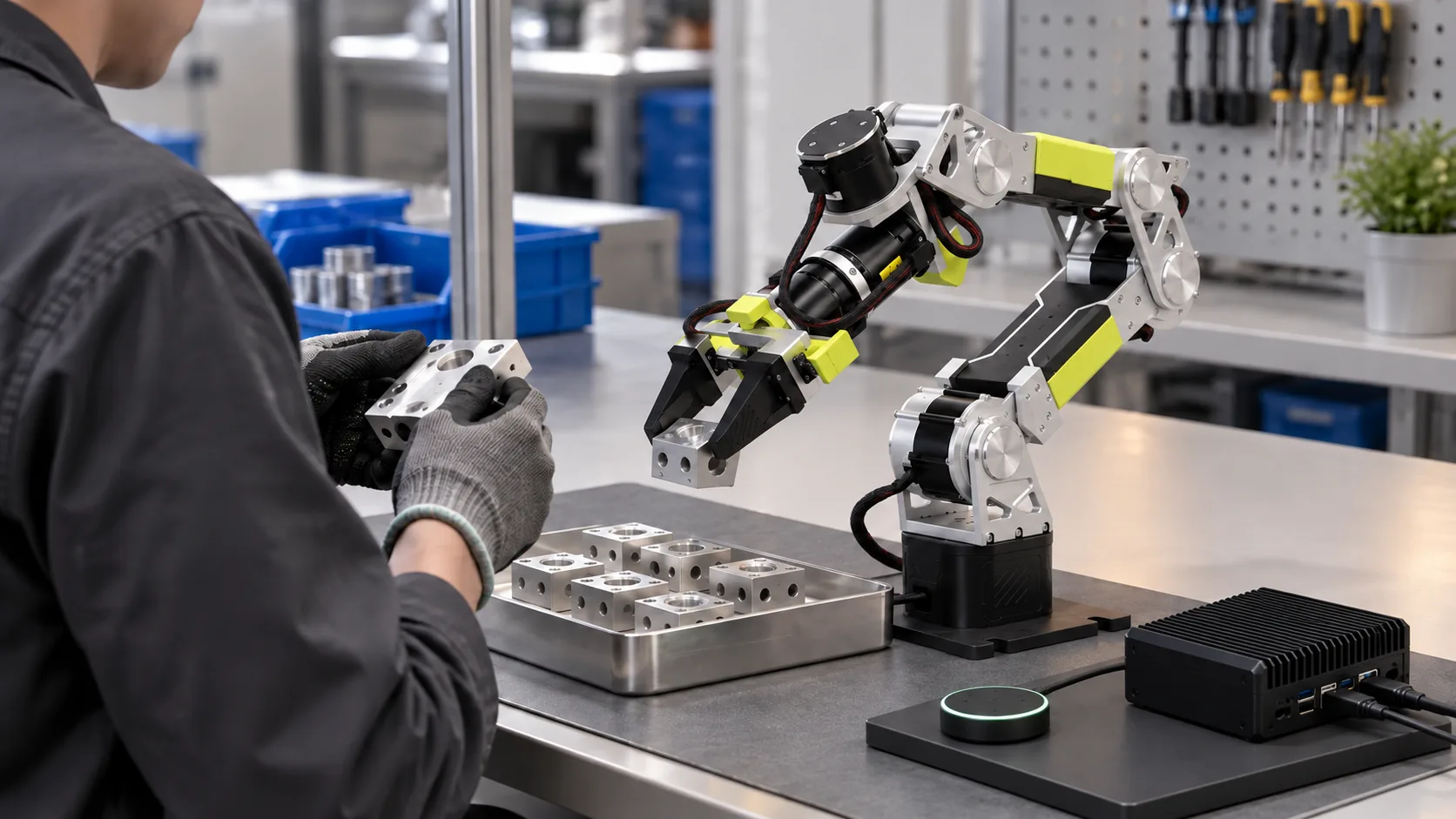
On-Site Voice Control
A voice entry point users can interrupt, added to existing equipment; recognition runs on a local host and works offline after setup.
 Scenario
A voice entry point users can interrupt, added to existing equipment; recognition runs on a local host and works offline after setup.
 Reference design
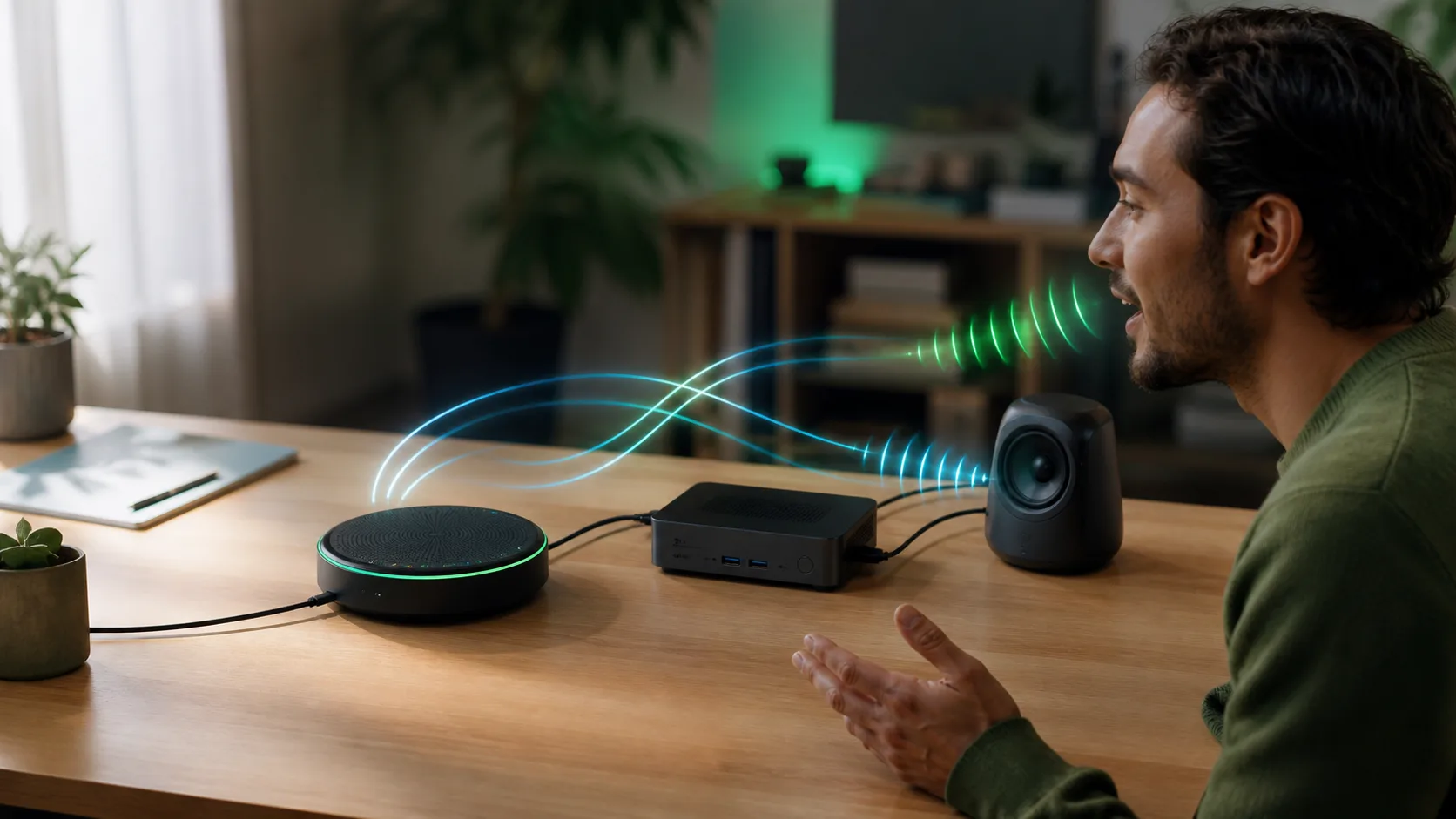
A voice terminal that answers on the device and can be interrupted mid-answer. Listening and speaking stay local; the conversation model is either your own cloud endpoint or on-device. Runs on a reComputer RK, a reComputer J30 / J40 (Orin) or a reComputer R2000 series, with the conversation language fixed at deploy time.
 Scenario
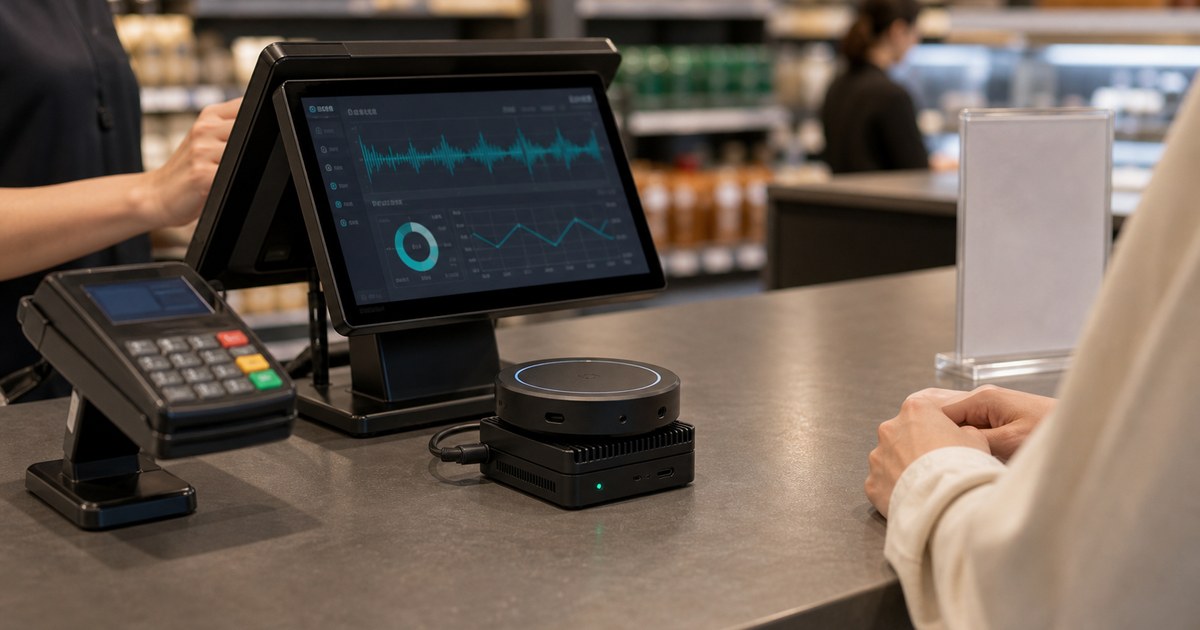
Counter conversations are turned into text on site, with the audio kept in the store. For staff who wear a recorder, see In-Person Conversation Intelligence.
 Scenario
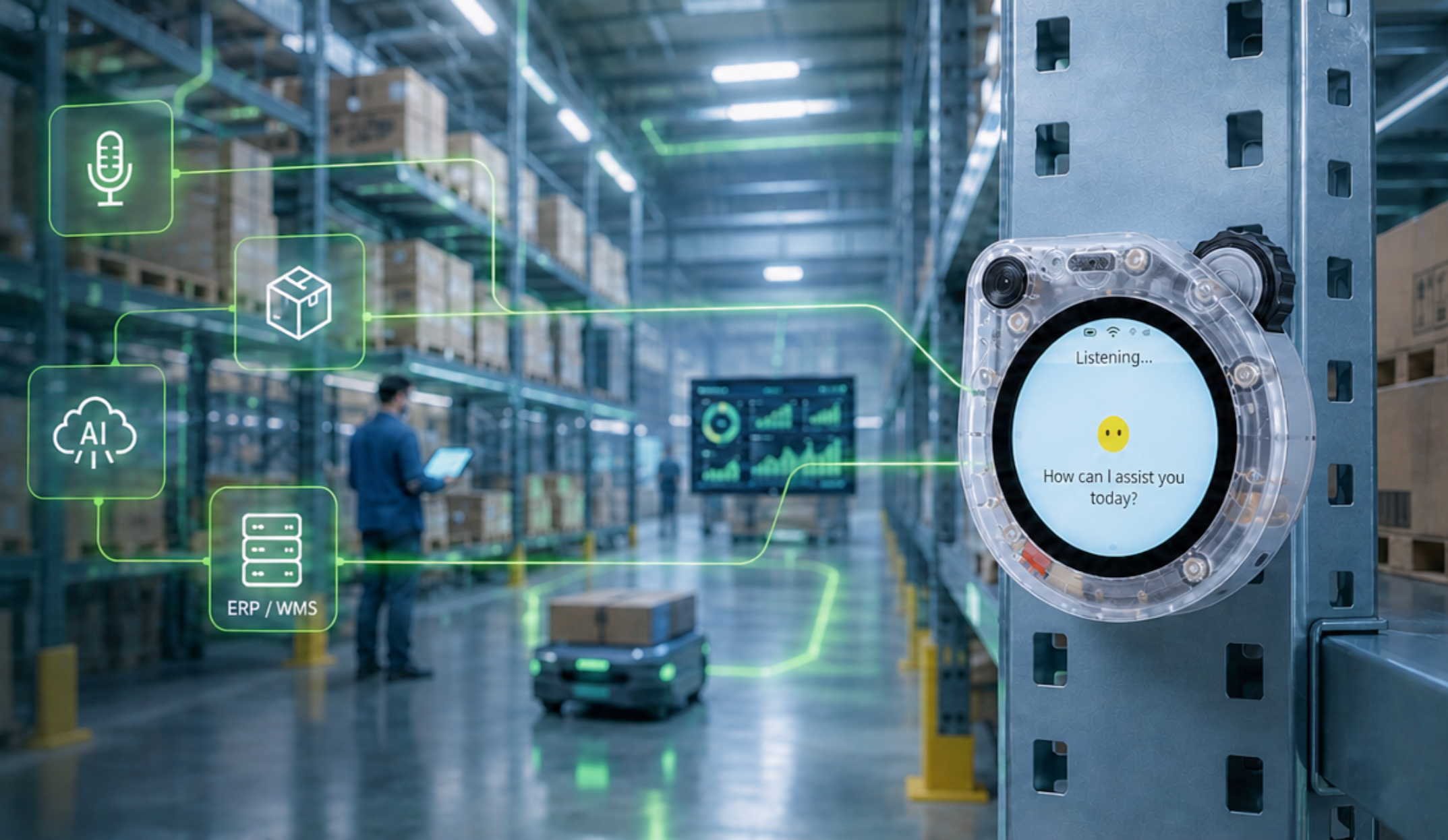
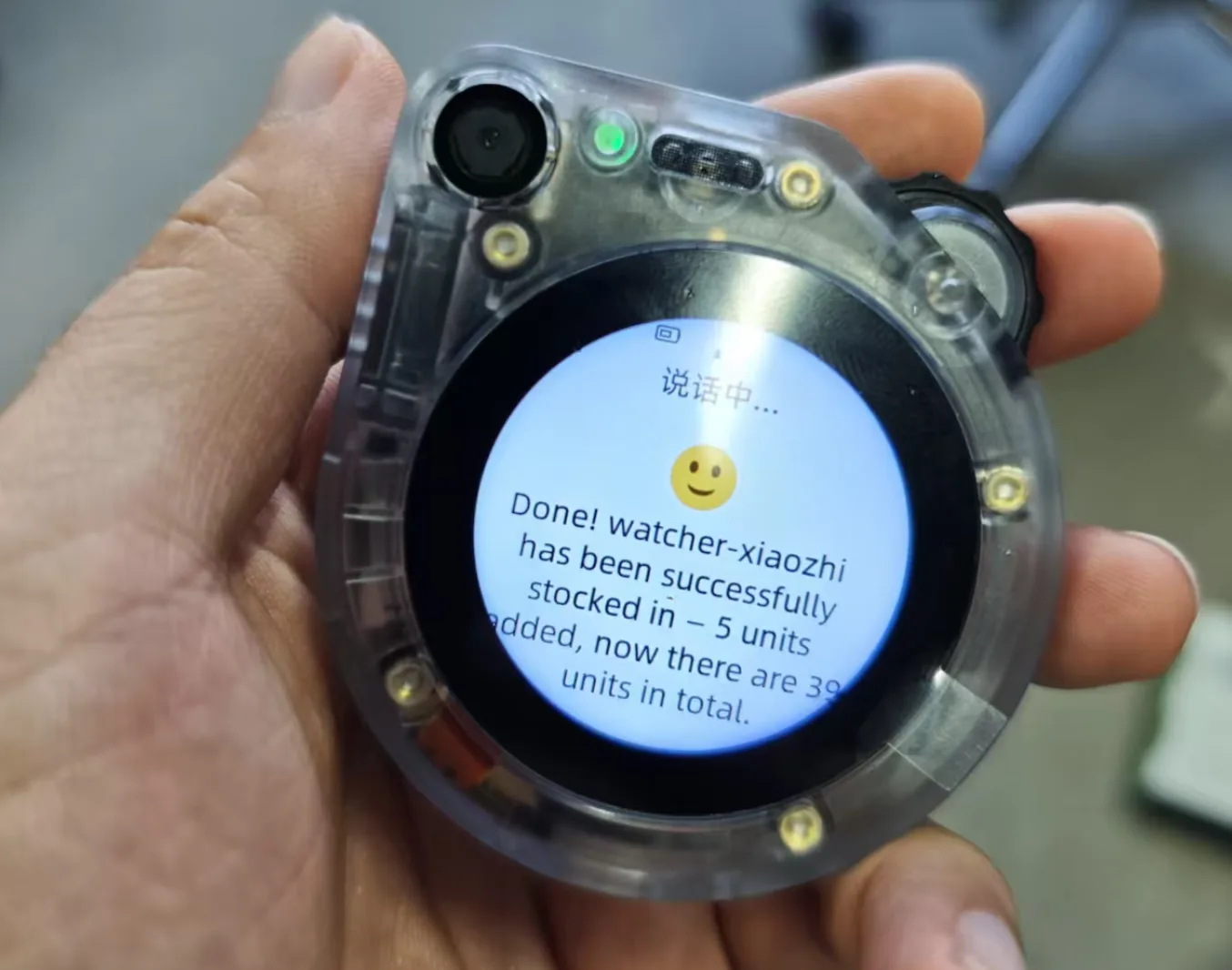
The Watcher understands spoken commands and identifies the operator, writing results to the built-in warehouse system or your existing ERP / WMS. Deploy in the cloud, on a local host or fully offline.
 Reference design
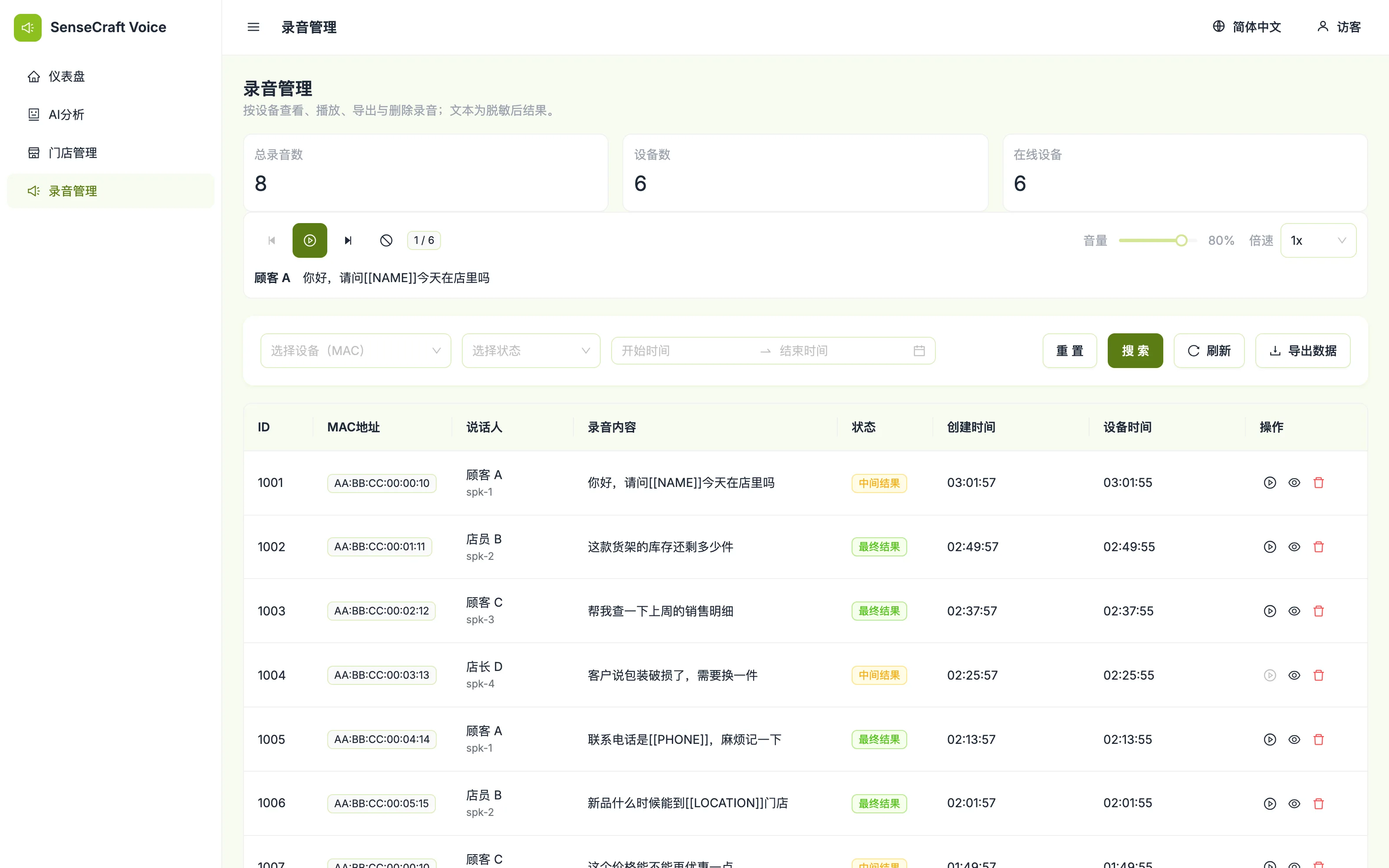
Store, meeting, consultation speech becomes back-office text. Mic array and on-site transcriber, or reSpeaker Clip and phone. Names, numbers masked before storage, deletable on request.
 Reference design
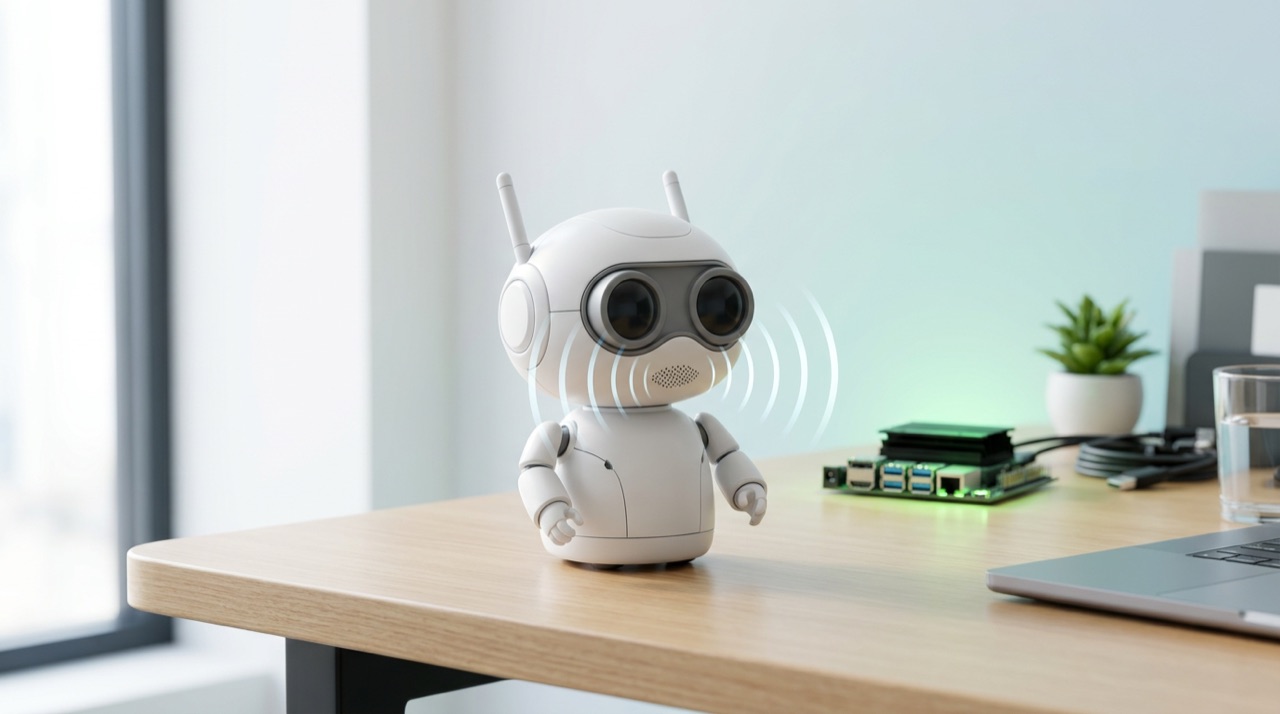
Turn a desktop robot into a voice companion — listens, thinks, speaks, and expresses emotions in under 1 second. Works with Reachy Mini. Three deployment options: Jetson all-in-one, reComputer AI Industrial R21 with Hailo-8 NPU, or CM4 wireless.
 Reference design
Voice-controlled warehouse management on edge hardware — speak the transaction, MCP writes it to inventory. Five tiers, from cloud trial to a fully offline Jetson deployment.
 Scenario
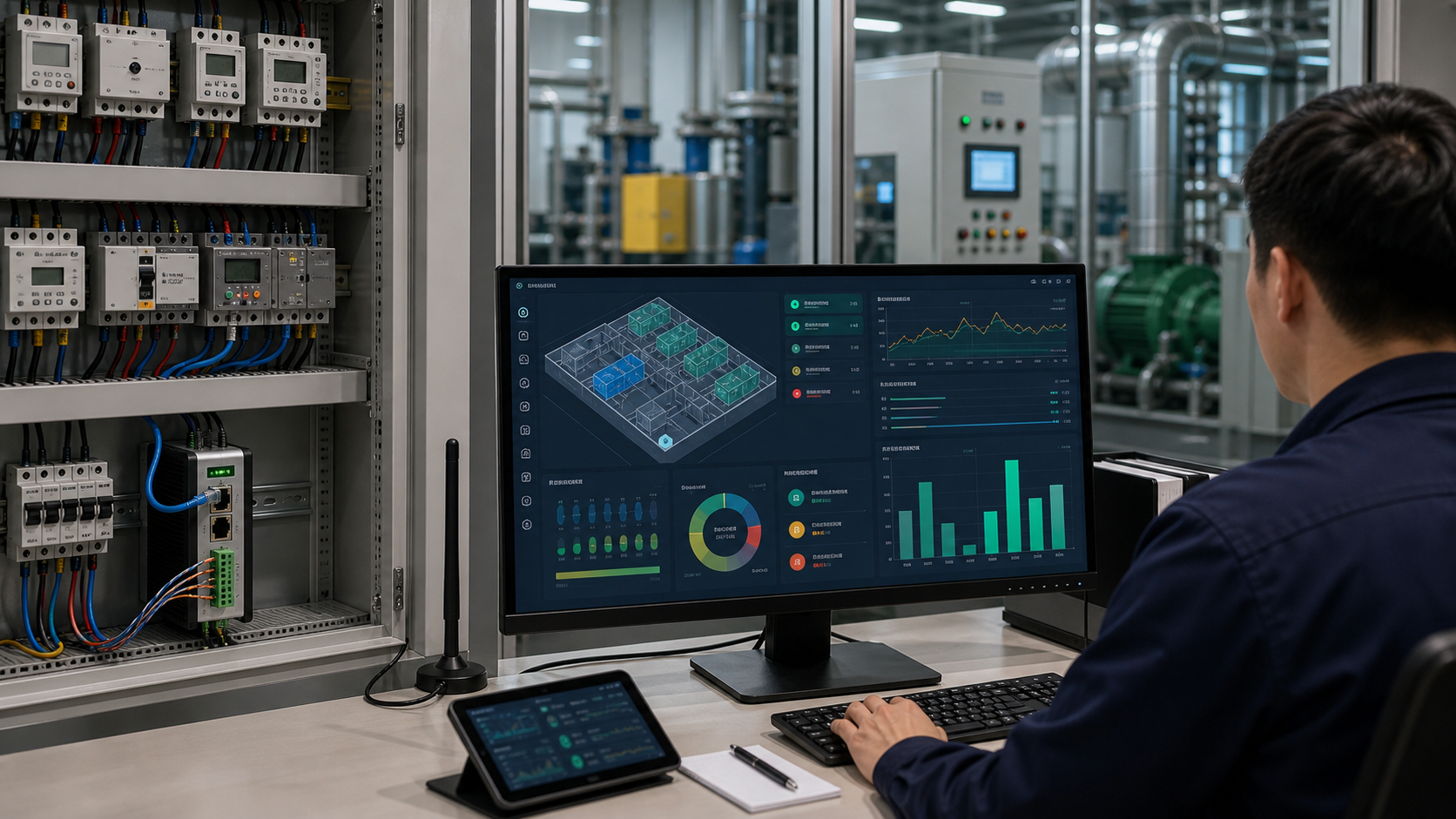
LoRaWAN sensors mount on the wall, one gateway connects existing Modbus and BACnet equipment, and the data goes to an open-source dashboard or your own platform.
 Scenario
Connect existing and new devices by floor and system. Start with energy monitoring, then expand to control; view electricity, water, and HVAC data together.
Transcription needs only an entry compute box; a local LLM needs RK3588 with an NPU card or a Jetson. Adding an LLM does not change the microphone.
Not sure which to choose? See the full selection guide →
What does the device need to do?
The microphone picks up and cleans the audio and connects in one of three ways: USB firmware plugs into the compute box over USB; I2S firmware hands audio to a XIAO ESP32S3, which forwards it over Wi-Fi or USB; reSpeaker Clip pairs with the phone App over BLE, and the App uploads over Wi-Fi / 4G. The compute box runs whatever must stay local, the speaker plays replies, and the application receives text or voice.
Core Advantages
| Image | Product | Form | Range | Coverage | Amp | On-board algorithms |
|---|---|---|---|---|---|---|
 | reSpeaker Lite | Desk · dual-mic | ~3m | 180° | 5W | AEC · DoA |
 | reSpeaker XVF3800 | Placed · circular quad-mic | ~5m | 360° | 5W | AEC · DoA · Multi-beam |
 | reSpeaker XVF3800 (with Case) | Placed · circular quad-mic (case) | ~5m | 360° | 5W | AEC · AGC · DoA · VAD · Multi-beam |
 | reSpeaker Clip | Wearable · dual-mic · Bluetooth to phone app | ~3m | 360° | — | Noise reduction (SpeexDSP) |
 | reSpeaker Flex Circular-4 | Split board · circular quad-mic | ~5m | 360° | 10W | AEC · DoA · Multi-beam |
 | reSpeaker Flex Linear-4 | Split board · linear quad-mic | ~5m | 180° | 10W | AEC · DoA · Multi-beam |
All arrays process audio on the board before it reaches the compute box. Barge-in conversation uses XVF3800 or Flex, whose on-board AEC removes the device's own playback.
Core Advantages
| Image | Product | Runs locally | Fits |
|---|---|---|---|
 | reRouter CM4 Series | VAD · ASR (CPU) | Single-site transcription; local relay for cloud conversation |
 | reComputer RK3576 Series | VAD · ASR · TTS (NPU) | Multi-channel transcription (12 channels measured); Chinese/English conversation with a cloud LLM |
 | reComputer RK3588 Series | VAD · ASR · TTS; 4B–7B LLM with an NPU card | Conversation beyond Chinese/English; contact a solution expert for the NPU card |
 | reComputer J30 Series | VAD · ASR · TTS; ~2B LLM | Shares the board with vision or other AI workloads; LLM in the cloud |
 | reComputer J40 Series | VAD · ASR · TTS · 4B–7B LLM | Fully local conversation, offline after setup |
Transcription needs only an entry box. The RK series runs local VAD, ASR and TTS; a local LLM needs RK3588 with an NPU expansion card or a Jetson.
Core Advantages
| Image | Product / output | Purpose | Connection | Route |
|---|---|---|---|---|
 | Mono Enclosed Speaker 4Ω 5W | Plays voice replies | JST speaker port on reSpeaker Lite / XVF3800 / Flex (on-board amp 5W / 5W / 10W) | Conversation, barge-in conversation |
| — | Transcript text | Each final transcript is uploaded to the business system | Ethernet / Wi-Fi | Transcription |
| — | LLM endpoint | Recognized text is sent to a cloud or OpenAI-compatible model API | Network | Speech local, LLM in the cloud |
The speaker connects to the microphone board, so replies and echo cancellation share one board. Text and model calls leave through the compute box network port.
Core Advantages
Choose capture and transcription for searchable records. Choose conversational voice AI when a device must listen, answer and be interrupted.
Yes. Local transcription and conversational pipelines can run in the deployment environment when supported by the selected hardware and software path.
Start with pickup range, language and interaction requirements, then confirm the host against the reference design and software matrix.
Seeed can evaluate enclosure, branding, packaging and interface changes as a customization project.